If you're planning to seal a concrete surface—whether it's a driveway, patio, garage floor, or foundation wall—one of the most critical questions you'll face is how long does cement sealer take to dry before it can withstand foot traffic, vehicles, or rain. Understanding drying and curing times is essential for achieving a durable, long-lasting finish that protects your concrete investment. This comprehensive guide answers all your questions about how long does cement sealer take to dry for different product types, under various conditions, and before exposing your sealed surfaces to use.
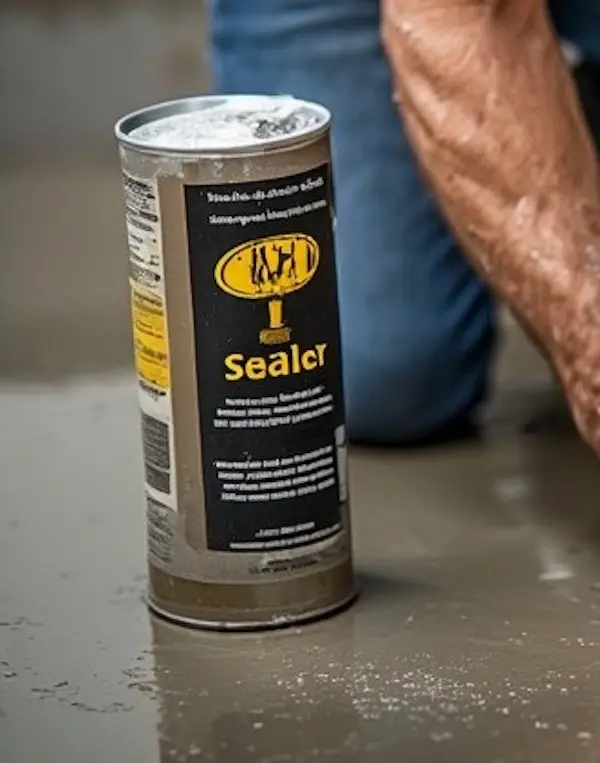
Why Knowing Cement Sealer Drying Time Matters
Understanding how long does cement sealer take to dry isn't just about patience—it directly affects the quality and durability of your project. Applying sealer and exposing it to traffic or moisture too soon can lead to:
- Surface damage: Footprints, tire tracks, and scuffs can permanently mar uncured sealer.
- Poor adhesion: The sealer won't bond properly to concrete if disturbed during drying.
- Blushing or hazing: Moisture trapped in curing sealer creates a white, cloudy appearance.
- Washout: Rain or cleaning can wash away uncured sealer before it bonds.
- Reduced durability: The sealer won't achieve its full protective potential if disturbed during curing.
- Wasted time and materials: Failed applications mean starting over, costing you more time and money.
By knowing how long does cement sealer take to dry for your specific product, you can plan your project effectively, avoid common mistakes, and ensure your concrete surfaces remain protected for years.
Drying vs. Curing: What's the Difference?
Before diving into specific timelines, it's important to understand the distinction between drying and curing when asking how long does cement sealer take to dry.
- Drying time: The period when solvents or water evaporate from the sealer, leaving it firm to the touch. The surface may feel dry, but the sealer remains soft underneath and vulnerable to damage.
- Cure time: The longer period during which the sealer fully cross-links and develops its maximum adhesion, hardness, chemical resistance, and protective properties. A sealer can be dry to touch but still only at 50-60% of its final strength.
Most manufacturers provide both dry-to-touch time (when the surface is no longer tacky) and full cure time (when the sealer reaches maximum performance). When asking how long does cement sealer take to dry, you typically want the dry-to-touch time for light use, but full cure time for heavy traffic or exposure.
Types of Cement Sealer and Their Drying Times
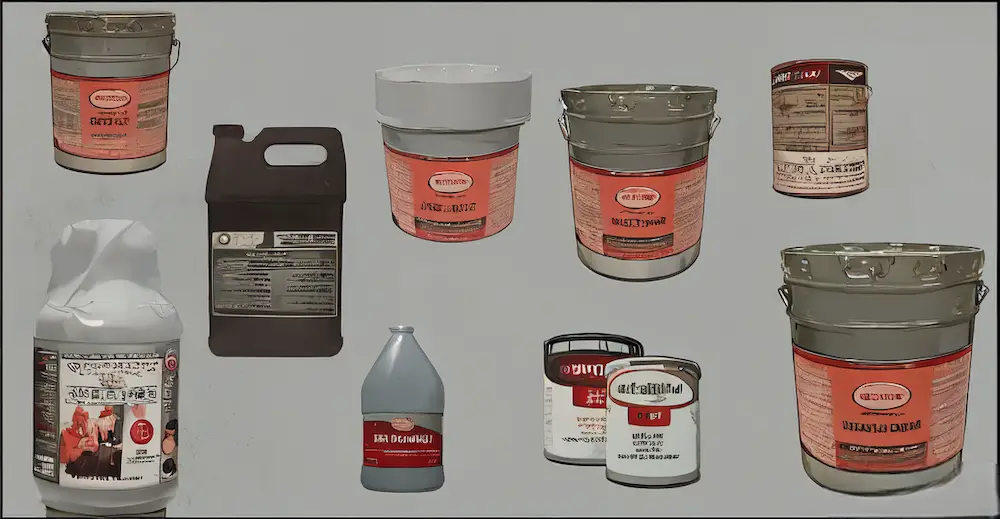
The answer to how long does cement sealer take to dry varies significantly based on the type of sealer you choose. Here are the most common options with their typical drying timelines:
Acrylic Cement Sealers
Acrylic sealers are among the most popular choices for decorative concrete, driveways, and patios due to their ease of application and fast drying.
- Dry to touch: 1-3 hours
- Ready for second coat: 2-4 hours
- Light foot traffic: 12-24 hours
- Vehicle traffic: 48-72 hours
- Full cure: 5-7 days
- Rain-ready: 12-24 hours (light rain), 48 hours (heavy rain)
Acrylics dry primarily through water or solvent evaporation. In warm, dry conditions with good air circulation, they dry at the faster end of these ranges. When considering how long does cement sealer take to dry for acrylics, remember they're popular for their quick turnaround.
Epoxy Cement Sealers
Epoxy sealers are two-part systems that cure through chemical reaction rather than just evaporation. They offer exceptional durability for garage floors, commercial spaces, and high-traffic areas.
- Dry to touch: 4-8 hours
- Ready for second coat: 12-24 hours (within 72 hours for chemical bonding)
- Light foot traffic: 24-48 hours
- Vehicle traffic: 3-5 days
- Full cure: 7-14 days
- Rain-ready: 24-48 hours minimum
Epoxies are temperature-sensitive—colder temperatures dramatically slow the chemical reaction. When asking how long does cement sealer take to dry for epoxy, expect longer times in cool conditions.
Polyurethane Cement Sealers
Polyurethane sealers offer excellent durability, chemical resistance, and UV stability, making them ideal for exterior concrete and areas exposed to sunlight.
- Dry to touch: 2-6 hours
- Ready for second coat: 6-16 hours
- Light foot traffic: 24-48 hours
- Vehicle traffic: 3-5 days
- Full cure: 7 days
- Rain-ready: 24 hours minimum
Like epoxies, polyurethanes cure through chemical reaction and are sensitive to temperature and humidity.
Penetrating Cement Sealers
Penetrating sealers (also called densifiers or impregnators) work differently—they absorb into the concrete rather than forming a surface film. This affects how long does cement sealer take to dry for these products.
- Surface dry: 2-4 hours
- Ready for second coat: 4-6 hours
- Light foot traffic: 12-24 hours
- Vehicle traffic: 24-48 hours
- Full cure/chemical reaction: 72 hours to 7 days
- Rain-ready: 12-24 hours
Penetrating sealers may appear dry quickly because the liquid absorbs, but the chemical reaction with the concrete takes much longer. When asking how long does cement sealer take to dry for penetrating products, distinguish between surface dryness and complete reaction.
Polyaspartic Cement Sealers
Polyaspartic sealers are a newer technology offering extremely fast cure times, often used in commercial and industrial applications where downtime must be minimized.
- Dry to touch: 1-2 hours
- Ready for second coat: 2-4 hours
- Light foot traffic: 4-8 hours
- Vehicle traffic: 12-24 hours
- Full cure: 3-5 days
- Rain-ready: 4-8 hours
Polyaspartics offer the fastest answer to how long does cement sealer take to dry, but they require expert application and are typically more expensive.
Factors That Affect How Long Cement Sealer Takes to Dry
The answer to how long does cement sealer take to dry isn't fixed—it depends on several environmental and application factors. Understanding these variables helps you plan your project and avoid premature use or damage.
Temperature and Weather Conditions
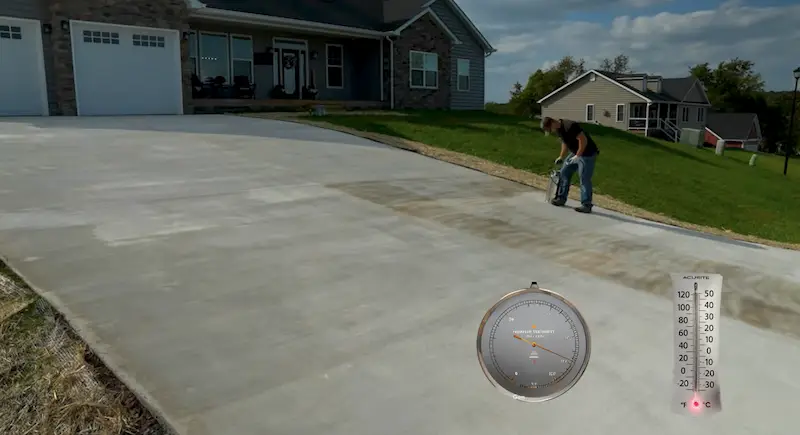
Temperature is perhaps the most significant factor affecting how long does cement sealer take to dry.
- Ideal temperature range: Most sealers perform best between 50°F and 80°F (10°C to 27°C). In this range, drying proceeds at manufacturer-rated speeds.
- Cold weather (below 50°F / 10°C): Drying slows dramatically. Chemical reactions in epoxies and polyurethanes nearly stop. Water-based acrylics may become milky or fail to form a proper film. Expect drying times to increase by 50-100% or more.
- Hot weather (above 85°F / 29°C): While heat accelerates evaporation, it can cause rapid skinning that traps solvents underneath, leading to bubbles, blisters, and poor film formation. The surface may appear dry while remaining soft beneath.
- Surface temperature vs. air temperature: Concrete in direct sunlight can be much hotter than air temperature. Always check the actual concrete surface temperature before applying sealer.
- Temperature swings: Large drops in temperature overnight can cause condensation on curing sealer, leading to blushing or hazing.
When planning your project, choose a day with mild, stable temperatures to optimize both drying time and final quality. This consideration significantly impacts how long does cement sealer take to dry in practice.
Humidity and Moisture
Humidity directly impacts evaporation rates for water-based and solvent-based sealers, affecting how long does cement sealer take to dry.
- Low humidity (below 40%): Accelerates drying but can cause rapid solvent evaporation leading to surface defects like blisters and bubbles.
- Moderate humidity (40-60%): Ideal range for most sealers, allowing controlled, even evaporation.
- High humidity (above 70%): Slows drying significantly. Water-based acrylics are particularly affected—drying times can double or triple. Moisture in the air can also condense on the surface, causing blushing or cloudiness.
- Rain and dew: Any liquid water on the surface during application or early drying will ruin the sealer. Always ensure concrete is completely dry before starting and check forecasts for at least 24-48 hours of dry weather.
- Concrete moisture: Concrete itself contains moisture. New concrete needs 28 days to cure before sealing. Existing concrete can wick moisture from the ground. Always test for moisture before sealing.
In humid conditions, add 25-50% to expected drying times. This is crucial when calculating how long does cement sealer take to dry for your specific situation.
Concrete Porosity and Surface Condition
The concrete itself affects how long does cement sealer take to dry through its porosity and condition.
- New, dense concrete: Less porous, so sealer sits on top and may dry slower due to less absorption.
- Older, porous concrete: Absorbs more sealer, which can make the surface appear dry faster as liquid penetrates, but the absorbed sealer still needs to cure.
- Surface texture: Broom-finished or textured concrete has more surface area and may dry slightly faster than smooth, troweled finishes.
- Cleanliness: Oily or dirty surfaces prevent proper sealer penetration and adhesion, affecting both drying and performance.
- Previous coatings: If sealing over old sealer or other coatings, drying times may differ from manufacturer specifications for bare concrete.
Air Movement and Ventilation
Air circulation affects evaporation rates and therefore how long does cement sealer take to dry.
- Gentle air movement: Helps carry away solvents and speeds drying naturally. For indoor projects, fans can significantly reduce drying time.
- Still air: Slows drying, especially in enclosed spaces like garages or basements.
- Strong winds: Can blow dust and debris onto wet sealer, causing contamination and surface defects. They can also cause rapid drying that leads to blisters.
- Ventilation considerations: For solvent-based sealers, adequate ventilation is essential for safety as well as drying. Always follow manufacturer safety recommendations.
Application Thickness
How much sealer you apply directly affects how long does cement sealer take to dry.
- Thin coats (manufacturer-recommended coverage): Dry according to specifications, typically within the ranges provided earlier.
- Thick coats: Take significantly longer to dry throughout. The surface may skin over while the core remains wet, leading to trapped solvents and eventual film failure.
- Multiple thin coats: Better than one thick coat. Allow proper drying between coats as specified by the manufacturer.
- Puddling: Sealer that pools in low spots creates thick areas that may never dry properly and will likely fail.
Always follow the manufacturer's recommended coverage rate. More sealer isn't better—it's actually worse for both drying time and final performance.
How Long Does Cement Sealer Take to Dry Before Foot Traffic?
One of the most common practical questions is how long does cement sealer take to dry before people can walk on it. Here are general guidelines by sealer type:
Foot Traffic Readiness
- Acrylic sealers: 12-24 hours for light foot traffic. The surface should be completely dry to touch and show no tackiness.
- Epoxy sealers: 24-48 hours before light foot traffic. Even then, walk carefully and avoid dragging feet or moving furniture.
- Polyurethane sealers: 24-48 hours for foot traffic.
- Penetrating sealers: 12-24 hours for foot traffic, though the surface may appear dry earlier.
- Polyaspartic sealers: 4-8 hours for foot traffic—the fastest option when rapid turnaround is needed.
These times assume ideal drying conditions. In cool or humid weather, add 50% or more to these estimates. When in doubt about how long does cement sealer take to dry before foot traffic, wait an extra day—footprints in cured sealer are permanent.
How Long Does Cement Sealer Take to Dry Before Vehicle Traffic?
Vehicle traffic places much greater stress on curing sealer. Here's what to expect for how long does cement sealer take to dry before parking cars or trucks:
- Acrylic sealers: 48-72 hours minimum for passenger vehicles. Avoid heavy vehicles or turning wheels for at least 5-7 days.
- Epoxy sealers: 3-5 days for vehicle traffic, 7 days for heavy vehicles or industrial use.
- Polyurethane sealers: 3-5 days for vehicles.
- Penetrating sealers: 24-48 hours for vehicles, though full chemical reaction takes longer.
- Polyaspartic sealers: 12-24 hours for vehicle traffic—significantly faster than other options.
For all sealer types, avoid parking in exactly the same spot for at least 7-10 days to prevent tire marks from imprinting. Avoid turning wheels while parked for at least 7 days—this twisting action can damage curing sealer.
When asking how long does cement sealer take to dry for vehicle use, remember that full cure takes much longer than surface dryness. A sealer that feels dry to touch may still be too soft for the weight and friction of tires.
How Long Does Cement Sealer Take to Dry Before Rain?
For exterior concrete projects, rain readiness is critical. Here's how long different sealers need before exposure to moisture:
- Acrylic sealers: 12-24 hours for light rain, 24-48 hours for heavy rain
- Epoxy sealers: 24-48 hours minimum for any rain
- Polyurethane sealers: 24 hours minimum
- Penetrating sealers: 12-24 hours
- Polyaspartic sealers: 4-8 hours for light rain, 12-24 hours for heavy rain
Always check weather forecasts and ensure at least 48 hours of completely dry weather after your planned completion. When asking how long does cement sealer take to dry before rain, it's better to be conservative—rain damage means starting over.
How Long Does Cement Sealer Take to Dry Between Coats?
For projects requiring multiple coats, understanding how long does cement sealer take to dry between applications is essential for proper bonding and final performance.
Recoat Windows by Sealer Type
- Acrylic sealers: 2-4 hours between coats. The first coat should be dry to touch but not fully cured. If you wait more than 24-48 hours, you may need to scuff-sand to ensure mechanical adhesion.
- Epoxy sealers: 12-24 hours between coats, but within 72 hours for chemical bonding. Beyond 72 hours, the surface may require sanding to accept another coat.
- Polyurethane sealers: 6-16 hours between coats, following manufacturer specifications precisely.
- Penetrating sealers: 4-6 hours between coats. The surface should appear dry, but additional coats may not be necessary—check manufacturer recommendations.
- Polyaspartic sealers: 2-4 hours between coats. These fast-curing products have narrow recoat windows; waiting too long may require sanding.
When planning your project, consider that how long does cement sealer take to dry between coats affects your total project timeline. For two-coat applications, add the intercoat drying time to your schedule.
Consequences of Incorrect Recoat Timing
- Too soon: Applying second coat over wet first coat mixes the layers, extending overall drying time and potentially causing cloudiness, bubbles, or poor film formation.
- Too late: If you exceed the maximum recoat window, the first coat has fully cured and the second coat won't bond chemically. You'll need to mechanically abrade the surface (sanding, etching) before applying another coat.
Always follow the manufacturer's recoat window precisely. This specification is a critical part of understanding how long does cement sealer take to dry for multi-coat projects.
How to Test If Cement Sealer Is Dry
Rather than just watching the clock, learn to recognize when your sealer has reached key milestones. These tests help answer how long does cement sealer take to dry for your specific situation.
Visual Indicators
- Uniform appearance: The surface looks consistent without shiny wet spots or dull patches. Wet sealer appears darker; as it dries, it lightens to its final appearance.
- No tackiness: When viewed from an angle, the surface should have an even sheen without glossy areas that indicate remaining wetness.
- Clear film: For clear sealers, the concrete underneath should be clearly visible without cloudiness or haze (unless you used a colored sealer).
- No reflection: If you see your reflection in the sealer like a mirror, it's still wet. Dry sealer has a more matte or satin appearance (unless specifically formulated as high-gloss).
Touch Tests
- Back of hand test: Lightly touch the surface with the back of your hand (palm side has oils that can mark fresh sealer). If it feels cool, sticky, or slightly tacky, it needs more time.
- Fingertip test: Gently press a clean fingertip in an inconspicuous area. If any sealer transfers to your finger or leaves a mark, it's not dry.
- Fingernail test: Gently press with a fingernail in an inconspicuous area. If it leaves an indentation, the sealer remains soft and needs more curing time.
Advanced Tests
- Plastic wrap test: Tape a small piece of plastic wrap to the surface for 30-60 minutes. If condensation forms underneath or the sealer softens, moisture is still escaping and the sealer isn't ready for use.
- Water drop test: Place a few drops of water on the surface. If they bead up and roll off without soaking in or leaving a mark, the sealer is likely ready for light exposure. If they soak in or leave a white ring, it needs more time.
- Adhesion test: Apply duct tape firmly, then remove. No sealer should come off with the tape. This indicates adequate cure for light use.
Remember that passing these tests indicates surface readiness, not full cure. The sealer may be ready for foot traffic but still vulnerable to vehicle traffic, furniture placement, or chemical exposure.
How to Speed Up Cement Sealer Drying Time
Sometimes you need your sealer to dry faster than natural conditions allow. While you should never rush the process to the point of compromising quality, there are safe ways to optimize how long does cement sealer take to dry.
Before Application: Set Yourself Up for Success
- Choose the right sealer: If speed is critical, select a fast-drying acrylic or polyaspartic sealer designed for quick turnaround. These products explicitly address concerns about how long does cement sealer take to dry.
- Check the forecast: Pick a day with low humidity, moderate temperatures, and gentle breezes. Avoid periods of high humidity or impending rain.
- Prepare the surface properly: Clean, dry concrete accepts sealer better and allows faster, more uniform drying. Etching may be necessary for some sealers.
- Thin coats: Multiple thin coats dry faster and more uniformly than one thick coat. Follow manufacturer recommendations for coverage rates.
During Application: Techniques That Help
- Apply in optimal conditions: Start early in the day when temperatures are rising, giving maximum daylight hours for initial drying.
- Use proper application methods: Sprayers, rollers, and squeegees each affect film thickness and drying. Follow product recommendations for your specific sealer.
- Maintain ventilation: For indoor spaces, set up fans to circulate air (but not directly on wet sealer, which can cause rippling). Open windows when possible.
- Monitor temperature: Avoid applying when temperatures will drop significantly at night, which slows drying and can cause condensation.
After Application: Safe Acceleration
- Increase air movement: Place fans strategically to move air across the surface without creating turbulence that causes ripples. This can significantly reduce how long does cement sealer take to dry.
- Gentle heat: If temperatures are cool, safe heating methods can help. Never use open flames or high-intensity heaters that could create hot spots or fire hazards.
- Dehumidifiers: For indoor spaces, dehumidifiers remove moisture from the air, significantly speeding drying for water-based sealers.
- Protect from contamination: Keep dust, debris, and insects away from the drying surface—cleaning them off later damages the sealer and may require reapplication.
Remember that accelerating drying is different from accelerating cure. While you can speed evaporation, the chemical bonding that gives sealer its durability takes time and cannot be rushed. Understanding this distinction is key to answering how long does cement sealer take to dry versus fully cure.
Common Mistakes That Affect Drying Time
Avoid these errors that can dramatically increase how long does cement sealer take to dry or ruin your project entirely.
Applying Over Damp or Dirty Concrete
The most common and damaging mistake is applying sealer to concrete that isn't completely dry and clean. Even slight moisture:
- Prevents proper adhesion
- Traps water under the sealer, causing bubbles, blushing, and eventual failure
- Extends drying time indefinitely
- Creates cloudy or discolored appearance
Always test concrete moisture before sealing. New concrete needs 28 days to cure. Existing concrete should pass the plastic sheet test (no condensation after 24 hours).
Applying Too Thickly
The second most common mistake is applying sealer too thickly, thinking more product means more protection. In reality, thick sealer applications:
- Take dramatically longer to dry (days instead of hours)
- Are prone to cracking, bubbling, and peeling
- Look uneven and unprofessional
- Waste product and money
Always follow the manufacturer's recommended coverage rate. Thin, even coats are the secret to proper how long does cement sealer take to dry and professional results.
Ignoring Weather Conditions
Applying sealer in poor weather guarantees problems:
- High humidity extends drying time by 50-100% or more
- Cold temperatures may prevent curing entirely
- Rain before sealer is ready ruins the application
- Extreme heat causes rapid skinning, trapping solvents
Check forecasts carefully and be willing to postpone if conditions aren't ideal. Patience pays off with better results and actually faster overall project completion.
Skipping Manufacturer Instructions
Each product has specific requirements for temperature range, application thickness, recoat windows, and drying times. Ignoring these leads to problems:
- Applying outside recommended temperature range extends drying dramatically
- Applying too thickly multiplies drying time
- Skipping recommended primers affects adhesion and cure
- Not following recoat windows leads to intercoat adhesion failure
Always read and follow the manufacturer's guidance on how long does cement sealer take to dry for your specific product.
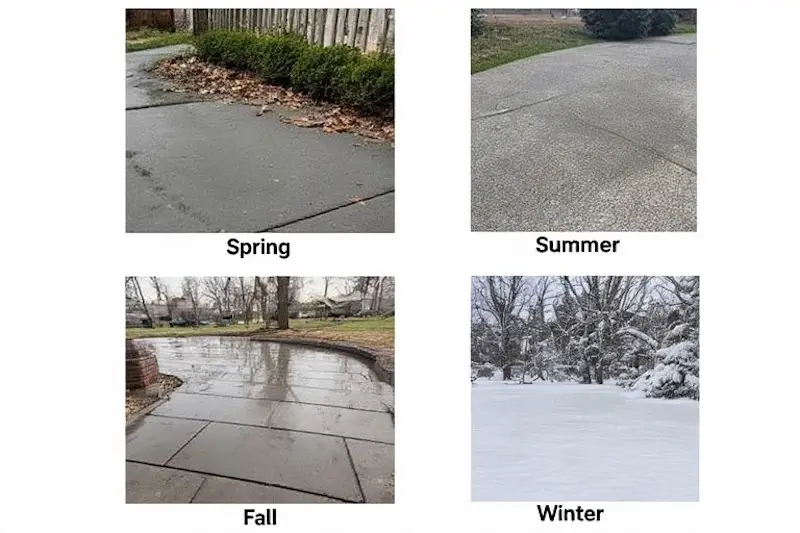
How Long Does Cement Sealer Take to Dry: Seasonal Considerations
The time of year you apply cement sealer significantly affects how long does cement sealer take to dry. Here's what to expect in different seasons and how to adjust your expectations and practices.
Spring Sealing: Unpredictable Conditions
Spring offers moderate temperatures but often brings high humidity and unpredictable rain.
- Typical drying time: Near manufacturer specifications, but humidity can extend drying by 25-50%.
- Challenges: April showers, morning dew, fluctuating temperatures, and potential for late-season cold snaps.
- Tips: Watch forecasts carefully, allow extra drying time, and be prepared to postpone if conditions aren't stable. Check concrete moisture carefully—spring thaws can leave concrete damp even when surface appears dry.
Summer Sealing: Heat and UV Challenges
Summer offers warm temperatures that accelerate drying, but extreme heat creates its own problems.
- Typical drying time: Surface may dry faster (1-2 hours for acrylics), but full cure may be compromised if solvents are trapped by rapid skinning.
- Challenges: Excessive heat (above 85°F/29°C) causes rapid evaporation, leading to bubbles, blisters, and poor film formation. Direct sunlight on dark concrete can create surface temperatures well above air temperature.
- Tips: Apply in early morning or evening when temperatures are cooler. Work in shade if possible. Don't be fooled by fast surface drying—the sealer underneath still needs time. The answer to how long does cement sealer take to dry in summer isn't simply "faster"—quality can suffer if you don't manage conditions.
Fall Sealing: Ideal Window
Fall often provides the best conditions for cement sealing in many regions.
- Typical drying time: Closest to manufacturer specifications with moderate temperatures (60-75°F/15-24°C) and reasonable humidity.
- Challenges: Early frost, falling leaves (which can stick to wet sealer), and shorter daylight hours for drying.
- Tips: Plan for complete drying before nightfall when temperatures drop. Keep leaves away from wet sealer. Monitor overnight temperatures—if frost is forecast, ensure sealer is adequately cured beforehand.
Winter Sealing: Generally Not Recommended
Winter sealing is challenging and often unsuccessful in cold climates.
- Typical drying time: Dramatically extended—days or weeks instead of hours. Many sealers won't cure at all below 50°F/10°C.
- Challenges: Cold temperatures slow or stop chemical reactions. Ice, snow, and condensation prevent proper adhesion. Freeze-thaw cycles can destroy curing sealer.
- Tips: If you must seal in winter, use products specifically formulated for cold weather, apply only when temperatures will remain above minimum for several days, and accept that results may be temporary. For most projects, waiting for spring or fall is best when considering how long does cement sealer take to dry and perform properly.
Professional vs. DIY: Considerations for Drying Time
When planning your concrete sealing project, consider whether professional application makes sense for your situation. This decision affects both how long does cement sealer take to dry and overall project success.
DIY Cement Sealing
For smaller projects and handy homeowners, DIY sealing can be effective and economical.
- Time investment: You control the schedule but must account for your own learning curve, preparation time, and physical limitations.
- Drying considerations: You must personally monitor weather, surface conditions, and drying progress. Mistakes in timing can extend the project significantly.
- Best for: Small to medium areas (patios, walkways, garage floors), homeowners comfortable with detailed work, and projects where schedule flexibility exists.
- Limitations: Quality depends on your technique, equipment, and patience. Professional-grade products may not be available to consumers.
Professional Cement Sealing
For large areas, commercial projects, or peace of mind, professional help may be worthwhile.
- Time savings: Professionals work efficiently with commercial equipment, often completing projects faster than DIY. Their experience with how long does cement sealer take to dry helps them schedule optimally.
- Expertise: They know which sealers work best for your specific concrete and conditions, and how to manage drying variables.
- Equipment: Professional sprayers, power mixers, and drying aids can improve both speed and quality.
- Warranty: Many professionals guarantee their work, protecting your investment.
- Best for: Large driveways, commercial floors, specialized coatings (epoxy, polyaspartic), and homeowners who prefer guaranteed results.
Whether DIY or professional, understanding how long does cement sealer take to dry remains essential for successful projects.
Conclusion
Understanding how long does cement sealer take to dry is essential for successful concrete projects that protect and beautify your surfaces. The answer varies significantly based on sealer type—acrylic (1-3 hours to touch, 24-48 hours for traffic), epoxy (4-8 hours to touch, 3-5 days for vehicles), polyurethane (2-6 hours to touch, 3-5 days for vehicles), penetrating (2-4 hours to surface dry, 24-48 hours for traffic), and polyaspartic (1-2 hours to touch, 12-24 hours for vehicles)—and is influenced by temperature, humidity, application thickness, and concrete condition.
Remember these key takeaways for your next concrete sealing project:
- Preparation is everything: Clean, dry concrete is non-negotiable for proper adhesion and drying. Test moisture levels before starting.
- Choose the right sealer: Match your sealer to your specific needs—fast drying for tight schedules, maximum durability for high-traffic areas, or decorative finish for appearance.
- Check the forecast: Ensure appropriate weather conditions for your sealer type and sufficient drying time before rain or freezing temperatures.
- Apply correctly: Follow manufacturer instructions for coverage rates, recoat windows, and application methods. Thin, even coats dry faster and perform better than thick applications.
- Respect drying time: Surface dryness isn't the same as full cure. Wait manufacturer-recommended times before foot traffic, vehicle use, or water exposure.
- Test before trusting: Perform simple touch tests, water drop tests, or adhesion tests before committing to full use of the surface.
By following these guidelines and understanding the factors that affect how long does cement sealer take to dry, you'll achieve durable, attractive concrete surfaces that provide lasting protection and enhance your property's value for years to come.
If you're looking for the best paving service provider in Laval, Montreal, or the entire Quebec region, look no further than Pavage Laval Asphalte Laval. Our team of experts is dedicated to meeting all your paving needs, providing high-quality and reliable services. Whether you're located in Laval, near Montreal, or elsewhere in Quebec, we're here to assist you with all your paving projects.
Don't hesitate to contact us today. You can reach us by phone at +1 (438) 476 6508, email us at pavage-asphalte-laval-montreal@outlook.com, or visit our website at pavage-asphalte-laval-montreal.ca for more information.
For those in need of paving and asphalt services near Gatineau, Quebec, we recommend contacting Pavage Gatineau Asphalte Gatineau Earnanswers. Our team of experts is ready to answer all your questions and provide quality solutions. To learn more or to request a quote, visit our website at pavagegatineau.com.
Approved sites
Further reading
- How Long Driveway Sealer Takes to Dry?
- How Long Driveway Sealer Last?
- How to Seal a Driveway
- Top Five Signs It's Time to Replace Your Asphalt Shingle Roof
- Parking Lot Striping: How Long It Takes to Dry and How Long It Lasts
- How Long does Gutter Sealant take to Dry ?
- How Long does Asphalt driveway Last ?
- How Long does Cement Sealer take to Dry ?
- How Long does Concrete Sealant Last ?
- How Long does Concrete Sealer take to Dry ?
- How long After new Asphalt before Sealing ?
Other services
Gutter Repair Tips Pavage Gatineau Earnanswers +1 (438) 476 6508
How Long does Cement Sealer take to Dry ?
We offer paving services in Laval, Quebec, specializing in asphalt for residential and commercial projects. info@asphaltesolution.com

Copyright © 2024
Propulsé par : Earnanswers
Contactez-nous
Pavaging Laval Asphalt Laval Earnanswers
If you're looking for quality paving near you, our team of Laval paving experts guarantees long-lasting results. We also serve the Montreal region and surrounding areas. Contact us for a quick quote on your asphalt needs in Laval and nearby locations.