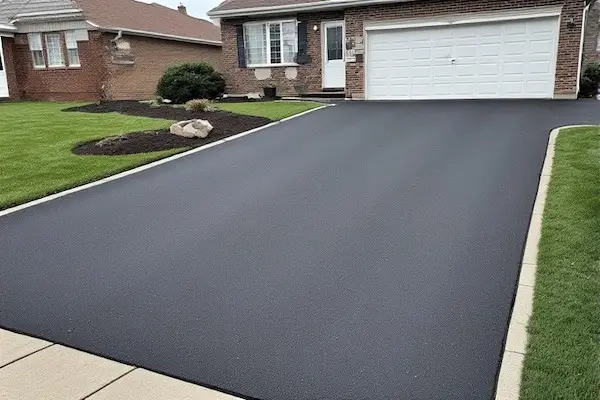
If you're a homeowner or property manager, one of the most important questions you'll face is how long does asphalt driveway last before it needs replacement. Whether you're considering a new installation, maintaining an existing surface, or evaluating whether to repair or replace, understanding the expected lifespan of asphalt driveways helps you make informed decisions and budget appropriately. This comprehensive guide answers all your questions about how long does asphalt driveway last, including factors that affect longevity, maintenance tips to extend life, and signs that replacement is needed.
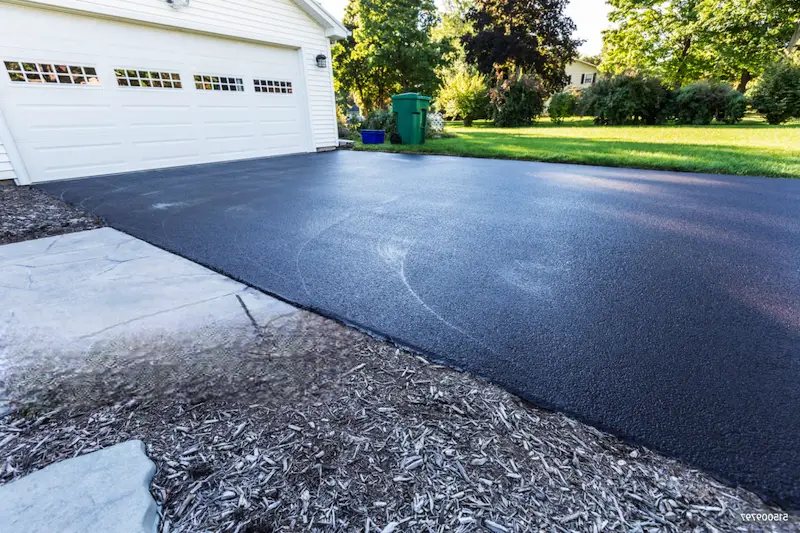
Average Lifespan: How Long Does Asphalt Driveway Last?
The short answer to how long does asphalt driveway last is typically 15 to 30 years. However, this range is wide because several variables significantly impact longevity. Here's a breakdown by scenario:
- Properly installed and well-maintained: 20-30 years
- Average installation with regular maintenance: 15-20 years
- Poor installation or neglected maintenance: 8-12 years
- High-traffic areas or harsh climates: 10-15 years
- Commercial or heavy vehicle use: 10-15 years
Understanding how long does asphalt driveway last helps you plan for long-term property maintenance and avoid unexpected expenses. With proper care, many homeowners enjoy 25+ years from their asphalt investment.
Factors That Determine How Long Asphalt Driveway Lasts
Several interconnected factors influence the answer to how long does asphalt driveway last. Understanding these helps you maximize your driveway's lifespan.
Installation Quality: The Foundation of Longevity
The single most important factor in determining how long does asphalt driveway last is the quality of the initial installation. A poorly installed driveway will fail prematurely regardless of how well you maintain it.
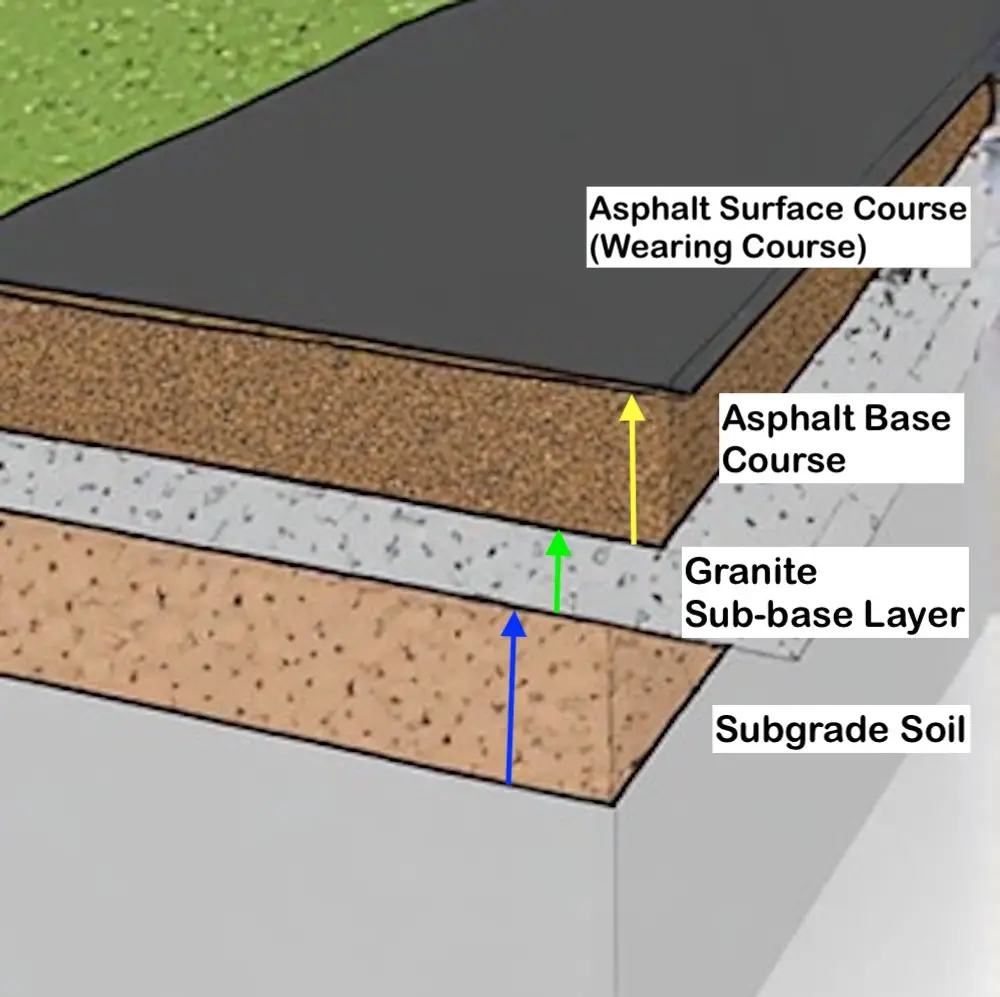
- Base preparation: Proper excavation and compaction of the sub-base (typically 6-12 inches of granular material) prevents settling and cracking. Inadequate base preparation is the leading cause of premature failure.
- Drainage: Proper grading ensures water runs off rather than pooling. Standing water is asphalt's enemy, accelerating deterioration.
- Asphalt thickness: Residential driveways typically need 2-3 inches of asphalt after compaction. Thinner applications won't last as long.
- Proper compaction: During installation, asphalt must be compacted to the right density. Poor compaction leaves air voids that allow water infiltration.
- Quality of materials: The asphalt mix itself matters. Reputable contractors use quality aggregates and the right amount of binder.
When asking how long does asphalt driveway last, remember that a driveway built on a poor foundation won't achieve its potential lifespan. Choosing an experienced, reputable contractor is essential.
Climate and Weather Conditions
Your local climate dramatically affects how long does asphalt driveway last.
- Freeze-thaw cycles: In regions like Quebec and Ontario, winter freeze-thaw cycles are particularly damaging. Water seeps into small cracks, freezes, expands, and widens the cracks. This repeated cycle gradually destroys asphalt.
- Extreme heat: Prolonged high temperatures can soften asphalt, making it susceptible to rutting and deformation from vehicle tires.
- UV exposure: Constant sun oxidizes the asphalt binder, making it brittle and prone to cracking. This is why sealing is important.
- Precipitation: Heavy rain and snow accelerate wear, especially if drainage is poor.
- Salt and de-icers: Winter maintenance with salt and chemical de-icers can accelerate asphalt deterioration.
In harsh northern climates, the answer to how long does asphalt driveway last may be at the lower end of the range (15-20 years) without exceptional maintenance.
Traffic Load and Usage Patterns
How you use your driveway significantly impacts how long does asphalt driveway last.
- Vehicle weight: Heavier vehicles like RVs, trucks, and SUVs cause more wear than compact cars. Frequent heavy vehicle traffic reduces lifespan.
- Traffic frequency: A driveway used by multiple vehicles daily wears faster than one with light use.
- Turning and parking patterns: Repeated turning of wheels in the same spot (especially when parked) creates stress and wear patterns.
- Delivery vehicles: Regular delivery trucks, garbage trucks, or fuel deliveries add stress beyond typical passenger vehicles.
If your driveway sees heavy use, expect the answer to how long does asphalt driveway last to be on the shorter end of the range.
Maintenance: The Key to Maximizing Lifespan
Regular maintenance is the factor you have most control over in determining how long does asphalt driveway last. A well-maintained driveway can easily add 5-10 years to its useful life.
- Sealcoating: Applying sealer every 2-3 years protects against UV damage, water penetration, and chemical spills. This is the single most important maintenance task.
- Crack repair: Filling cracks promptly prevents water from penetrating and causing more extensive damage. Small cracks become big problems if ignored.
- Proper drainage: Keep drainage channels clear and ensure water doesn't pool on the surface.
- Prompt spill cleanup: Oil, gasoline, and other chemicals dissolve asphalt binder. Clean spills immediately.
- Winter care: Use plastic shovels rather than metal blades. Avoid sharp snowplow blades that gouge the surface. Use sand rather than salt when possible.
When homeowners ask how long does asphalt driveway last, those who commit to regular maintenance consistently achieve the longest lifespans.
Original Asphalt Quality
Not all asphalt is created equal. The specific mix design affects durability and therefore how long does asphalt driveway last.
- Binder content: Asphalt with adequate binder (the sticky black substance) is more flexible and durable. Too little binder leads to brittleness and raveling.
- Aggregate quality: Hard, durable stone makes better asphalt than soft or friable aggregates.
- Mix design: Different applications require different mixes. Driveway mixes differ from road mixes.
- Recycled content: Quality recycled asphalt can perform well, but too much recycled material without proper additives may reduce lifespan.
When getting estimates, ask contractors about their asphalt mix specifications. Quality materials contribute to a longer answer to how long does asphalt driveway last.
Signs Your Asphalt Driveway Is Nearing the End of Its Life
Even with excellent maintenance, every driveway eventually reaches the end of its useful life. Recognizing the signs helps you plan for replacement before minor issues become major problems. When evaluating how long does asphalt driveway last for your specific situation, watch for these indicators:
Extensive Cracking Patterns
While some cracking is normal as driveways age, certain patterns signal serious deterioration and affect how long does asphalt driveway last.
- Alligator cracking: Interconnected cracks resembling alligator skin indicate structural failure in the asphalt layer or base. This pattern suggests the driveway can no longer support loads properly and replacement is needed.
- Edge cracks: Long cracks parallel to the driveway edge often indicate base failure or poor support at the sides. If widespread, replacement may be necessary.
- Block cracking: Large rectangular cracks (1-2 feet apart) indicate the asphalt has become brittle from age and oxidation. When combined with other deterioration, replacement may be the best option.
- Longitudinal cracks: Cracks running parallel to the driveway direction can indicate poor lane joint construction. Extensive longitudinal cracking often requires replacement.
When you see these crack patterns throughout your driveway, the answer to how long does asphalt driveway last for your current surface may be "not much longer."
Potholes and Structural Failure
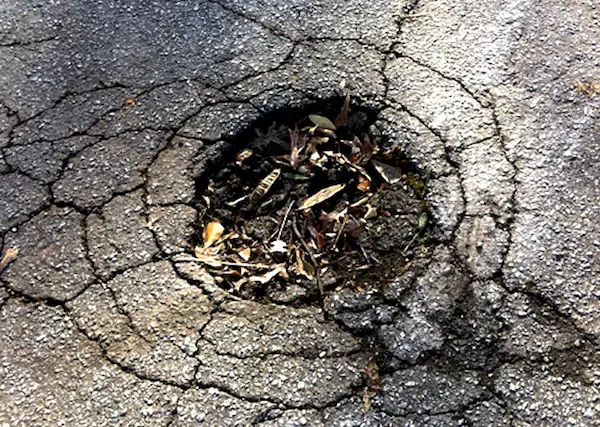
Potholes are clear evidence that the driveway structure is failing. When considering how long does asphalt driveway last, the appearance of potholes signals the beginning of the end.
- Isolated potholes: A few potholes might be repairable if the rest of the driveway is sound. However, they indicate weak spots.
- Widespread potholes: Multiple potholes across the driveway suggest the base has failed or the asphalt is too thin. Replacement is usually the only lasting solution.
- Growing potholes: If potholes expand quickly, the surrounding asphalt is also failing. Patching becomes a temporary fix at best.
Once potholes become common, the answer to how long does asphalt driveway last is measured in months, not years.
Raveling and Surface Deterioration
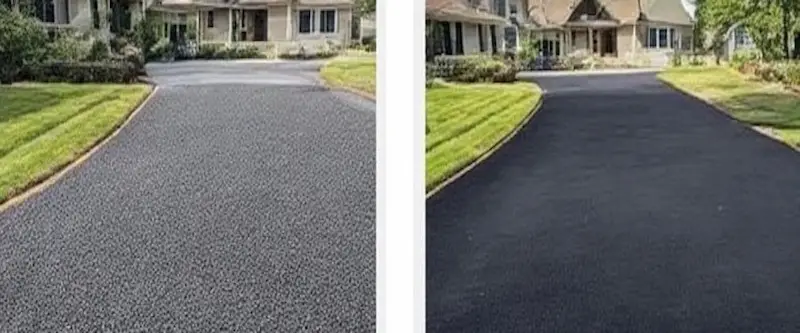
Raveling occurs when the aggregate (stone) separates from the asphalt binder, creating a rough, loose surface. This affects both appearance and function when asking how long does asphalt driveway last.
- Surface raveling: Small stones loosen and scatter on the driveway surface. This indicates the binder has oxidized and lost its holding power.
- Deep raveling: When raveling extends deeper into the asphalt layer, structural integrity is compromised.
- Loss of flexibility: Aged asphalt becomes brittle and cannot flex with temperature changes or minor ground movement.
- Color fading: Extensive fading to a light gray color indicates severe oxidation and loss of binder properties.
When raveling is widespread, sealing may provide temporary improvement, but the driveway is nearing replacement. The answer to how long does asphalt driveway last in this condition is limited.
Drainage Problems
Poor drainage both results from and contributes to driveway deterioration. When evaluating how long does asphalt driveway last, consider these drainage issues:
- Standing water: Pools that remain for days after rain indicate the driveway has settled or wasn't properly graded. Water accelerates every form of asphalt deterioration.
- Water flowing across driveway: If water from other areas flows across your driveway, it may indicate grade changes that affect the base.
- Erosion at edges: Water washing away material at driveway edges undermines support and leads to edge failure.
Drainage problems that can't be corrected without major work often mean the driveway has limited remaining life.
Maintenance Strategies to Extend How Long Asphalt Driveway Lasts
Now that you understand the factors affecting how long does asphalt driveway last, here are proven strategies to maximize your driveway's lifespan.
Sealcoating Schedule and Best Practices
Sealcoating is the single most effective maintenance task for extending how long does asphalt driveway last.
- First application: Wait 6-12 months after new asphalt installation before first sealcoating to allow the asphalt to cure and oils to evaporate.
- Frequency: Apply sealer every 2-3 years for optimal protection. High-traffic driveways may benefit from annual sealing.
- Quality products: Use high-quality sealer with adequate solids content (35-40% minimum) and polymer additives for flexibility.
- Professional vs. DIY: Professional application often provides better coverage and durability, but quality DIY products can be effective.
- Timing: Seal in warm, dry weather (60-80°F / 15-27°C) with no rain forecast for 48 hours.
Regular sealcoating can add 5-10 years to your driveway's life, significantly improving the answer to how long does asphalt driveway last.
Crack Repair: Small Investment, Big Returns
Filling cracks promptly prevents water infiltration that leads to major damage. This simple maintenance greatly influences how long does asphalt driveway last.
- Inspect regularly: Walk your driveway each spring and fall to identify new cracks.
- Clean thoroughly: Remove vegetation, debris, and loose material from cracks before filling.
- Use appropriate filler: For small cracks (under 1/4 inch), use liquid crack filler. For larger cracks, use pourable or rope-style filler.
- Don't delay: Fill cracks as soon as they appear. A small crack ignored becomes a big crack requiring major repair.
- Seal after repair: After crack filler cures, sealcoating over the repaired area provides additional protection.
Consistent crack repair can add years to your driveway's life by preventing water from reaching and destroying the base.
Proper Drainage Maintenance
Managing water is essential for maximizing how long does asphalt driveway last.
- Keep edges clear: Ensure soil, mulch, or vegetation doesn't block water flow at driveway edges.
- Maintain gutters and downspouts: Ensure roof drainage doesn't pour onto the driveway. Extend downspouts away from asphalt.
- Address pooling: If water collects in certain areas, consider adding drainage solutions like French drains or catch basins.
- Grade landscaping: Ensure landscape grading directs water away from, not toward, the driveway.
Winter Care Practices
Winter is particularly harsh on asphalt. Good winter practices extend how long does asphalt driveway last.
- Use plastic shovels: Metal blades gouge and scrape the surface, creating starting points for deterioration.
- Adjust snowplow blades: If using a plow, ensure blades don't dig into the asphalt.
- Limit de-icers: Use sand for traction rather than chemical de-icers when possible. If you must use de-icers, choose products labeled safe for asphalt.
- Remove snow promptly: Don't let snow and ice sit for extended periods, especially if it contains de-icing chemicals.
When to Repair vs. Replace: Making the Right Decision
Understanding how long does asphalt driveway last helps you make informed decisions about whether to invest in repairs or plan for replacement. Here's how to evaluate your situation.
When Repair Makes Sense
In some situations, targeted repairs can extend your driveway's life for several more years. Consider repair when:
- Isolated damage: Only small areas show deterioration while the rest of the driveway remains sound. For example, a few cracks or a small settled area near the garage.
- Surface issues only: Problems are limited to the surface layer without base failure. Raveling or oxidation can often be addressed with sealcoating.
- Young driveway: Your driveway is less than 10-12 years old and otherwise in good condition. Investing in repairs makes sense when the underlying structure is still sound.
- Budget constraints: If you can't afford full replacement now, strategic repairs can buy 3-5 more years while you save.
- Planned short-term ownership: If you're selling your home within a few years, repairs may be sufficient to maintain curb appeal without full replacement.
When repair is appropriate, the answer to how long does asphalt driveway last after repairs might be another 3-7 years depending on the extent of work and overall driveway condition.
Common Repair Options
If you've determined that repair is the right path, here are typical solutions that affect how long does asphalt driveway last:
- Patching: For isolated damaged areas, contractors remove deteriorated asphalt and replace it with fresh material. Quality patching can last 3-7 years.
- Overlay: A new layer of asphalt (1.5-2 inches) applied over the existing surface. This works when the base is sound but the surface is worn. An overlay typically adds 8-12 years to how long does asphalt driveway last.
- Crack sealing: Professional crack filling with hot rubberized material provides longer-lasting repair than DIY products. Good for 2-4 years.
- Infrared repair: A specialized technique that heats existing asphalt, adds new material, and blends them seamlessly. Ideal for localized repairs and can last 5-8 years.
When Replacement Is Necessary
Sometimes, no amount of repair can salvage a driveway. Full replacement is the answer when considering how long does asphalt driveway last in these situations:
- Widespread alligator cracking: This indicates structural failure throughout. Patching won't address the underlying problem.
- Base failure: If the foundation has settled, washed out, or failed, the entire driveway must be removed and rebuilt. Surface repairs are temporary at best.
- Multiple large potholes: Numerous potholes suggest the asphalt is too thin or the base has failed throughout.
- Age beyond 20-25 years: Even well-maintained driveways eventually reach the end of their useful life. At this point, replacement is more cost-effective than repeated repairs.
- Drainage problems requiring regrading: If the driveway slope is incorrect and causes pooling, replacement with proper grading is the only solution.
- Frequent, costly repairs: When you're repairing every year, replacement becomes more economical.
When replacement is needed, the new driveway's answer to how long does asphalt driveway last depends on the quality of installation and your ongoing maintenance.
Cost Considerations: Repair vs. Replacement
Budget inevitably influences decisions about how long does asphalt driveway last and whether to repair or replace. Here's what to expect:
Typical Repair Costs
- Crack filling: $2-$5 per linear foot professionally
- Patching (small areas): $200-$500 per patch
- Infrared repair: $300-$600 per location
- Overlay (2 inches): $3-$5 per square foot
- Sealcoating: $0.15-$0.30 per square foot (DIY) or $0.30-$0.60 per square foot (professional)
Replacement Costs
- Full removal and replacement: $5-$10 per square foot depending on excavation needs, base preparation, and asphalt thickness
- Typical 500 sq ft driveway: $2,500-$5,000 for replacement
- Typical 1,000 sq ft driveway: $5,000-$10,000 for replacement
When calculating how long does asphalt driveway last after repair vs. replacement, consider cost per year of extended life. A $1,000 repair that adds 3 years costs $333 per year. A $5,000 replacement that adds 20 years costs $250 per year—often more economical long-term.
How New Installation Affects How Long Asphalt Driveway Lasts
If you're installing a new driveway, the decisions you make now dramatically impact how long does asphalt driveway last for decades to come.
Choosing the Right Contractor
Selecting an experienced, reputable contractor is the most important decision affecting your new driveway's lifespan.
- Check credentials: Verify licenses (RBQ in Quebec), insurance, and bonding.
- Ask for references: Contact recent customers and inspect work if possible.
- Get multiple quotes: Compare at least three detailed written estimates.
- Review contracts carefully: Ensure scope of work, materials, thickness, and warranties are clearly stated.
- Beware of low bids: Significantly lower prices often mean cutting corners on base preparation or materials.
Specifications That Maximize Lifespan
Work with your contractor to include these features that improve how long does asphalt driveway last:
- Proper base thickness: Minimum 6-8 inches of compacted granular base for residential driveways, more for heavy use.
- Adequate asphalt thickness: 2-3 inches after compaction for residential use. Consider 3-4 inches for heavy vehicles.
- Quality materials: Specify asphalt mix with adequate binder content and quality aggregates.
- Proper drainage: Ensure grading directs water away from the driveway surface and foundation.
- Edging: Consider concrete or metal edging to protect edges from deterioration.
- Reinforcement: For problem soils, geotextile fabric or grid reinforcement can prevent cracking.
Warranties and Guarantees
A contractor confident in their work will offer warranties that reflect expected how long does asphalt driveway last.
- Materials warranty: Typically 1-2 years against defects
- Installation warranty: 2-5 years against workmanship issues
- Structural warranty: Some contractors offer 5-10 years on base and structural integrity
Get all warranties in writing and understand what they cover and exclude.
Regional Variations in Asphalt Driveway Lifespan
Location significantly affects how long does asphalt driveway last. Here's what to expect in different regions:
Northern Climates (Quebec, Ontario, Northern US)
- Typical lifespan: 15-20 years with good maintenance
- Challenges: Freeze-thaw cycles, heavy snow, road salt
- Key factors: Proper base depth (deeper frost line), quality drainage, timely crack repair before winter
Southern Climates (Southern US, Warm Regions)
- Typical lifespan: 20-25 years with good maintenance
- Challenges: UV damage, heat softening, occasional hurricanes
- Key factors: Regular sealcoating for UV protection, lighter-colored sealers to reduce heat absorption
Coastal Areas
- Typical lifespan: 15-20 years
- Challenges: Salt air, humidity, occasional storms
- Key factors: Salt-resistant sealers, excellent drainage, frequent inspections
Understanding regional influences helps you set realistic expectations for how long does asphalt driveway last in your specific location.
Realistic Expectations: How Long Does Asphalt Driveway Last in Different Scenarios
To help you plan and budget effectively, here are realistic lifespan expectations for different driveway scenarios. These estimates answer how long does asphalt driveway last under various conditions.
Scenario 1: Premium Installation with Excellent Maintenance
- Base preparation: 8-12 inches of compacted granular base
- Asphalt thickness: 3 inches after compaction
- Maintenance: Sealcoating every 2 years, immediate crack repair, excellent drainage
- Climate: Moderate with proper winter care
- Expected lifespan: 25-30+ years
Scenario 2: Standard Installation with Regular Maintenance
- Base preparation: 6-8 inches of compacted granular base
- Asphalt thickness: 2 inches after compaction
- Maintenance: Sealcoating every 3 years, occasional crack repair
- Climate: Typical northern climate with freeze-thaw cycles
- Expected lifespan: 18-22 years
Scenario 3: Minimal Installation with Limited Maintenance
- Base preparation: 4 inches or less of base material
- Asphalt thickness: 1.5 inches or less
- Maintenance: Rare or no sealcoating, cracks ignored
- Climate: Harsh winters with freeze-thaw cycles
- Expected lifespan: 8-12 years
Scenario 4: Commercial or High-Traffic Driveway
- Base preparation: 10-12 inches of engineered base
- Asphalt thickness: 3-4 inches commercial mix
- Maintenance: Professional maintenance program
- Usage: Multiple vehicles daily, occasional heavy trucks
- Expected lifespan: 12-18 years
These scenarios demonstrate that the answer to how long does asphalt driveway last depends heavily on the choices you make from installation through ongoing care.
Frequently Asked Questions About Asphalt Driveway Lifespan
Does sealing really extend how long asphalt driveway lasts?
Yes, absolutely. Regular sealcoating protects against UV damage, water penetration, and chemical spills. Studies and field experience show that sealed driveways last 5-10 years longer than unsealed ones. Sealcoating is the single most effective maintenance task for maximizing how long does asphalt driveway last.
Can I extend my driveway's life beyond 30 years?
While rare, some driveways achieve 35-40 years with exceptional installation and meticulous maintenance. This requires premium base preparation, adequate thickness, perfect drainage, religious sealcoating, immediate repairs, and favorable climate conditions. For most homeowners, 25-30 years is an excellent outcome.
How does asphalt thickness affect lifespan?
Thicker asphalt lasts longer. A 2-inch driveway might last 15-20 years, while a 3-inch driveway can reach 25-30 years. The extra inch provides more structural capacity and more material to wear away before failure. When installing a new driveway, investing in additional thickness is cost-effective long-term.
Will a darker color make my driveway last longer?
The color itself doesn't significantly affect lifespan, though lighter colors reflect heat and may reduce thermal stress in hot climates. However, the protective sealant you apply matters more than the base color. Quality sealers with UV inhibitors protect regardless of color.
How do I know if my contractor used quality materials?
Ask for material specifications. Quality asphalt mix should have adequate binder content (5-6%), quality aggregates, and proper gradation. Reputable contractors work with established asphalt plants and can provide mix designs. Be wary of contractors who can't or won't discuss materials.
Conclusion
Understanding how long does asphalt driveway last helps you make informed decisions about installation, maintenance, repair, and replacement. The typical asphalt driveway serves 15 to 30 years, with the wide range reflecting the significant impact of installation quality, climate, usage, and maintenance practices.
The key takeaways for maximizing your driveway's lifespan are:
- Start right: Quality installation with proper base preparation and adequate thickness is essential. A poor foundation guarantees premature failure regardless of maintenance.
- Maintain regularly: Sealcoat every 2-3 years, repair cracks immediately, and keep water away from the surface and edges. These simple practices can add 5-10 years to your driveway's life.
- Address problems early: Small issues become big problems if ignored. Fix cracks when they appear, not when they've become wide and deep.
- Know when to replace: When repairs become frequent and costly, when alligator cracking is widespread, or when the base has failed, replacement is the most economical choice.
- Choose wisely: Whether installing new or replacing old, select experienced contractors, quality materials, and specifications suited to your climate and usage.
Your driveway is a significant investment that serves your property daily for decades. By understanding the factors that affect how long does asphalt driveway last and taking proactive steps throughout its life, you can maximize that investment and enjoy a smooth, attractive, functional driveway for many years.
If you're looking for the best paving service provider in Laval, Montreal, or the entire Quebec region, look no further than Pavage Laval Asphalte Laval. Our team of experts is dedicated to meeting all your paving needs, providing high-quality and reliable services. Whether you're located in Laval, near Montreal, or elsewhere in Quebec, we're here to assist you with all your paving projects.
Don't hesitate to contact us today. You can reach us by phone at +1 (438) 476 6508, email us at pavage-asphalte-laval-montreal@outlook.com, or visit our website at pavage-asphalte-laval-montreal.ca for more information.
For those in need of paving and asphalt services near Gatineau, Quebec, we recommend contacting Pavage Gatineau Asphalte Gatineau Earnanswers. Our team of experts is ready to answer all your questions and provide quality solutions. To learn more or to request a quote, visit our website at pavagegatineau.com.
Approved sites
Further reading
- How Long Driveway Sealer Takes to Dry?
- How Long Driveway Sealer Last?
- How to Seal a Driveway
- Top Five Signs It's Time to Replace Your Asphalt Shingle Roof
- Parking Lot Striping: How Long It Takes to Dry and How Long It Lasts
- How Long does Gutter Sealant take to Dry ?
- How Long does Asphalt driveway Last ?
- How Long does Cement Sealer take to Dry ?
- How Long does Concrete Sealant Last ?
- How Long does Concrete Sealer take to Dry ?
- How long After new Asphalt before Sealing ?
Other services
Gutter Repair Tips Pavage Gatineau Earnanswers +1 (438) 476 6508
How Long does Asphalt driveway Last ?
We offer paving services in Laval, Quebec, specializing in asphalt for residential and commercial projects. info@asphaltesolution.com


Copyright © 2024
Propulsé par : Earnanswers

Contactez-nous
Pavaging Laval Asphalt Laval Earnanswers
If you're looking for quality paving near you, our team of Laval paving experts guarantees long-lasting results. We also serve the Montreal region and surrounding areas. Contact us for a quick quote on your asphalt needs in Laval and nearby locations.