If you've recently installed a new asphalt driveway, one of the most important questions you'll face is how long after new asphalt before sealing is safe and effective. Applying sealer too soon can damage your new asphalt, while waiting too long can leave it vulnerable to deterioration. Understanding the correct timing for first-time sealing, as well as how often to reseal driveway thereafter, is essential for maximizing the lifespan and appearance of your investment. This comprehensive guide answers all your questions about how long after new asphalt before sealing, plus ongoing maintenance schedules for how often to seal driveway to keep it protected for decades.
Why Timing Matters: How Long After New Asphalt Before Sealing
Understanding how long after new asphalt before sealing is crucial because new asphalt is different from aged asphalt. Freshly paved asphalt contains oils and solvents that need time to evaporate and cure. Sealing too early can trap these materials, leading to problems that actually shorten your driveway's life.
What Happens If You Seal Too Soon?
Many homeowners, eager to protect their investment, ask how long after new asphalt before sealing and are tempted to seal immediately. Here's why that's a mistake:
- Trapped oils: New asphalt contains volatile oils that need to evaporate during the curing process. Sealing too early traps these oils, preventing proper hardening and leading to a soft, unstable surface.
- Poor adhesion: Sealers won't bond properly to uncured asphalt. The sealer may peel, bubble, or fail prematurely, wasting your time and money.
- Tracking and marking: Soft asphalt combined with fresh sealer can create a messy surface that tracks onto shoes, tires, and surrounding areas.
- Delayed curing: The asphalt itself needs time to reach its full strength. Sealing too early interferes with this natural process, potentially reducing the driveway's structural integrity.
- Appearance issues: Sealing over uncured asphalt can result in a blotchy, uneven appearance that never looks right.
The answer to how long after new asphalt before sealing is designed to prevent these problems and ensure both your asphalt and sealer perform as intended.
The Recommended Waiting Period
So, how long after new asphalt before sealing should you wait? Industry standards and manufacturer recommendations typically specify:
- Minimum wait time: 6 months
- Recommended wait time: 6-12 months
- Ideal wait time: 12 months (a full year)
This waiting period allows the asphalt to fully cure, oils to evaporate, and the surface to harden to its maximum strength. During this time, your new driveway is still protected—modern asphalt mixes are designed to withstand traffic and weather during this initial curing phase.
The exact answer to how long after new asphalt before sealing depends on several factors, including climate, asphalt mix, and usage. In warmer climates with more sun exposure, curing may occur faster. In cooler, shaded areas, you may need to wait closer to the full year.
Why New Asphalt Needs Time to Cure
To truly understand how long after new asphalt before sealing, it helps to know what happens during the curing process.
The Chemistry of New Asphalt
Asphalt is a mixture of aggregate (stone) and bitumen (a sticky, black petroleum-based binder). When hot asphalt is laid and compacted, several processes begin:
- Cooling and hardening: The asphalt cools from its installation temperature (around 300°F/150°C) to ambient temperature, causing the bitumen to harden.
- Oil evaporation: Light oils in the bitumen slowly evaporate over months, allowing the asphalt to become more stable and less sticky.
- Oxidation: Exposure to air causes the surface to oxidize slightly, creating a more stable base for sealer adhesion.
- Traffic compaction: Vehicle traffic helps further compact and settle the asphalt, creating a denser, more durable surface.
These processes take time. Asking how long after new asphalt before sealing is really asking how long for these natural curing processes to complete enough that sealer can bond properly.
The Simple Test for Readiness
If you're unsure about how long after new asphalt before sealing for your specific driveway, here's a simple test:
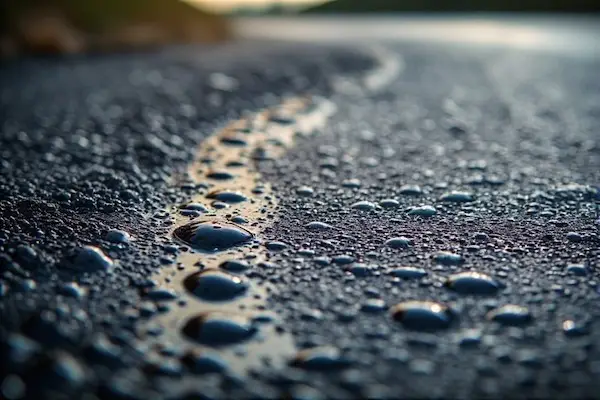
- Pour a small amount of water on the asphalt surface.
- Observe how the water behaves.
- If the water beads up and sits on the surface, the asphalt still contains oils and isn't ready for sealing. This indicates you need to wait longer.
- If the water soaks in and darkens the asphalt, the oils have evaporated sufficiently and the surface is ready for sealing.
This water test is a reliable indicator for how long after new asphalt before sealing in your specific conditions.
Exceptions: When You Might Wait Longer
While 6-12 months is the standard answer to how long after new asphalt before sealing, certain situations may require extending this waiting period:
- Cool climates: In northern regions like Quebec and Ontario, where temperatures are cooler and sunlight less intense, curing may take closer to 12 months or even longer.
- Shaded areas: Driveways heavily shaded by trees or buildings receive less UV exposure and warmth, slowing the curing process.
- Thick asphalt layers: Commercial-grade installations with thicker asphalt layers take longer to cure throughout.
- Dense mix designs: Some asphalt mixes are formulated to be less porous, which can slow oil evaporation.
- Light traffic: Driveways with minimal vehicle traffic don't get the compaction benefit that helps cure the surface.
In these situations, the answer to how long after new asphalt before sealing may be closer to 12-18 months. Always use the water test to confirm readiness rather than strictly following a calendar.
How Often to Reseal Driveway After First Application
Once you've waited the appropriate time for your first seal, the next question becomes how often to reseal driveway for ongoing protection. This is just as important as knowing how long after new asphalt before sealing initially.
General Recommendations for How Often to Seal Driveway
Industry standards for how often to seal driveway typically recommend:
- Normal conditions: Every 2-3 years
- Harsh conditions: Every 1-2 years
- Ideal conditions: Every 3-4 years
The answer to how often to reseal driveway depends on several factors we'll explore below. Regular sealing is the key to maximizing the 15-30 year lifespan of your asphalt driveway.
Why Regular Sealing Matters
Understanding how often to seal driveway requires knowing what sealcoating actually does:
- UV protection: Sunlight oxidizes and dries out asphalt, making it brittle and prone to cracking. Sealer blocks UV rays.
- Waterproofing: Sealer fills pores and small cracks, preventing water from penetrating and causing freeze-thaw damage.
- Chemical resistance: Oil, gasoline, and de-icing chemicals can dissolve asphalt binder. Sealer provides a protective barrier.
- Appearance: Fresh sealer restores the deep black color that makes driveways look new and well-maintained.
- Fills minor imperfections: Sealer helps smooth small surface irregularities before they become larger problems.
Regular sealing according to the recommended how often to seal driveway schedule ensures continuous protection against these damaging factors.
Factors That Affect How Often to Reseal Driveway
The answer to how often to reseal driveway isn't one-size-fits-all. Several variables influence how quickly sealer wears and when reapplication is needed.
Climate and Weather Exposure
Your local climate dramatically affects how often to seal driveway:
- Harsh winters: In Quebec and Ontario, freeze-thaw cycles, snow removal, and de-icing salts accelerate sealer wear. Expect to seal more frequently—closer to every 1-2 years.
- Intense sun: In sunny climates, UV degradation breaks down sealers faster. This may require more frequent application.
- Heavy rain: Constant moisture exposure can degrade sealers over time, affecting how often to reseal driveway.
- Mild climates: Moderate conditions with minimal extremes allow sealers to last longer, potentially 3-4 years between applications.
When determining how often to seal driveway, consider your local weather patterns and adjust accordingly.
Traffic Levels
How much traffic your driveway receives directly impacts how often to reseal driveway:
- Light traffic (1-2 cars, minimal visitors): Sealer may last 3-4 years.
- Moderate traffic (2-3 cars, regular visitors): Plan on sealing every 2-3 years.
- Heavy traffic (multiple vehicles, deliveries, RVs): You may need to seal every 1-2 years, especially in tire tracks.
- Commercial use: High-traffic areas may require annual sealing.
Observe wear patterns in high-traffic areas to gauge how often to seal driveway for your specific usage.
How Often to Reseal Driveway: Detailed Guidelines by Situation
Now that you understand the factors affecting how often to reseal driveway, here are detailed recommendations for different scenarios to help you plan your maintenance schedule.
Residential Driveways: How Often to Seal Driveway by Usage
For most homeowners, how often to seal driveway depends on daily usage patterns:
- Single-family home with 1-2 cars, moderate use: Seal every 2-3 years. This is the standard recommendation for most residential driveways and provides good protection without over-maintaining.
- Multiple vehicles (3+ cars), frequent visitors: Seal every 1-2 years. Higher traffic means faster wear, especially in the wheel tracks where vehicles repeatedly drive and park.
- RVs, boats, or heavy vehicles: Seal annually or every 1-2 years. Heavy vehicles exert more pressure on the surface and accelerate sealer wear. If you park heavy vehicles in the same spot, that area may need more frequent attention.
- Low-usage driveway (single car, minimal traffic): Seal every 3-4 years. With less wear, sealer lasts longer, but don't exceed 4 years even with light use—UV and weather still cause degradation.
When determining how often to reseal driveway for your specific situation, consider not just the number of vehicles but also turning patterns. Areas where tires turn while parked experience extra abrasion and may show wear sooner.
Climate-Based Recommendations for How Often to Seal Driveway
Your geographic location significantly affects how often to seal driveway:
- Northern climates (Quebec, Ontario, Northern US): Seal every 1-2 years. Harsh winters with freeze-thaw cycles, snow plows, and de-icing salts are particularly damaging to asphalt sealers. More frequent sealing provides essential protection.
- Southern climates (warm, sunny): Seal every 2-3 years. Intense UV radiation breaks down sealers over time, but the absence of winter damage may allow slightly longer intervals.
- Coastal areas: Seal every 1-2 years. Salt air, high humidity, and frequent storms accelerate sealer degradation.
- Mild, temperate regions: Seal every 2-3 years. Moderate conditions with minimal extremes allow sealers to last longer.
When asking how often to reseal driveway, consider your local climate as a primary factor. A driveway in Montreal needs more frequent sealing than one in a mild coastal area.
Signs It's Time to Reseal: Beyond the Calendar
While following a schedule for how often to seal driveway is important, visual inspection should also guide your decisions. Here are signs that it's time to reseal, regardless of when you last applied:
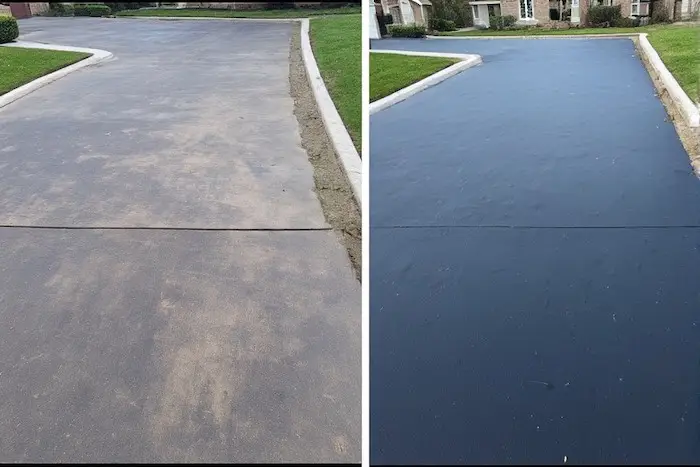
- Faded color: The deep black color has turned gray or ashy, indicating the sealer has worn away and UV damage is occurring.
- Visible aggregate: You can see individual stones (aggregate) on the surface, meaning the sealer and some asphalt binder have worn away.
- Water absorption: Water no longer beads on the surface but soaks in, darkening the asphalt. This indicates the sealer's waterproofing is gone.
- Small cracks appearing: Hairline cracks are developing, especially in sunny areas or where water previously pooled.
- Tire track wear: The path where vehicles drive looks lighter or more worn than surrounding areas.
- Oil stains penetrating: New oil stains no longer wipe away but soak into the asphalt, indicating the protective barrier is gone.
These signs help you fine-tune how often to reseal driveway for your specific conditions, independent of calendar schedules.
The Consequences of Not Following How Often to Seal Driveway Recommendations
Understanding how often to reseal driveway becomes more meaningful when you know what happens if you neglect this maintenance. Here's what occurs when you wait too long between sealings:
Short-Term Neglect (1-2 Years Past Due)
- Accelerated oxidation: The asphalt surface becomes brittle and more susceptible to cracking.
- Minor cracking: Small cracks appear, especially in high-stress areas like the apron and turning zones.
- Fading: The driveway looks old and neglected, detracting from curb appeal.
- Water penetration: Without a sealer barrier, water begins soaking into the asphalt, starting the freeze-thaw damage cycle.
Medium-Term Neglect (3-5 Years Past Due)
- Extensive cracking: Small cracks grow and connect, forming alligator patterns that indicate structural weakening.
- Vegetation growth: Weeds and moss take root in cracks, expanding them further.
- Pothole formation: Water penetration and freeze-thaw cycles create depressions that become potholes.
- Base damage: Water reaching the base layer compromises the entire driveway structure.
- Costly repairs: What could have been prevented with timely sealing now requires patching or section replacement.
Long-Term Neglect (5+ Years Past Due)
- Structural failure: The driveway may need complete replacement rather than simple resealing.
- Safety hazards: Large cracks and potholes create tripping hazards and can damage vehicles.
- Drainage problems: Settled areas collect water, potentially directing it toward your foundation.
- Maximum cost: The expense of full replacement is 5-10 times higher than regular sealing.
Following recommended schedules for how often to reseal driveway prevents this deterioration cascade and protects your investment.
How Long After New Asphalt Before Sealing: Special Considerations
Beyond the basic 6-12 month guideline for how long after new asphalt before sealing, certain situations require additional consideration.
Commercial vs. Residential: Different Timelines
The answer to how long after new asphalt before sealing differs for commercial applications:
- Residential driveways: 6-12 months. Typical traffic levels and loads allow this standard timeline.
- Commercial parking lots: 3-6 months may be sufficient if using commercial-grade sealers designed for earlier application. However, many experts still recommend 6-12 months.
- High-traffic commercial: Some facilities choose to seal earlier (3-6 months) to protect the surface from heavy traffic, accepting that adhesion may be slightly compromised. This is a calculated trade-off.
When determining how long after new asphalt before sealing for commercial properties, consult with both the paving contractor and sealer manufacturer for specific recommendations.
Asphalt Mix Differences
The specific asphalt mix used affects how long after new asphalt before sealing:
- Standard mix: 6-12 months as standard recommendation.
- High-performance mixes: Some modern mixes with polymer additives may cure faster, potentially allowing sealing at 4-6 months. Confirm with your contractor.
- Recycled asphalt content: Mixes with higher recycled content may have different curing characteristics. The answer to how long after new asphalt before sealing may lean toward the longer end (12 months).
- Cold mix vs. hot mix: Cold mix asphalt used for patching never fully cures like hot mix and should not be sealed on the same schedule.
Ask your paving contractor about the specific mix used and their recommendation for how long after new asphalt before sealing.
Weather and Seasonal Timing
Even after you've determined how long after new asphalt before sealing in months, you still need to choose the right season for application:
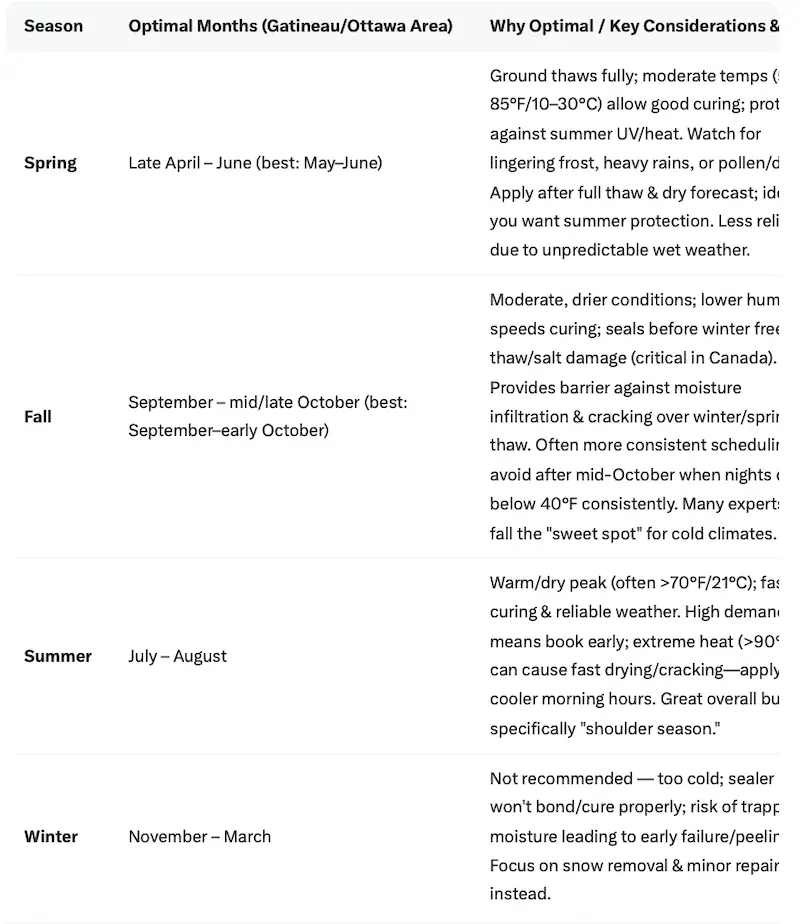
- Ideal conditions: Apply sealer in spring or fall when temperatures are moderate (60-80°F / 15-27°C) and rain is less likely.
- Avoid extreme heat: Summer heat can cause sealers to dry too quickly, leading to poor adhesion and appearance.
- Avoid cold: Most sealers require temperatures above 50°F (10°C) to cure properly. Don't apply in late fall if freezing temperatures are imminent.
- Plan for drying time: Ensure at least 48 hours of dry weather after application, regardless of when you seal.
Timing your first seal correctly—both in terms of how long after new asphalt before sealing and seasonal conditions—ensures the best results.
How Often to Reseal Driveway: Professional vs. DIY Considerations
Your approach to sealing—whether professional or DIY—can affect how often to reseal driveway and the quality of protection.
Professional Sealing
Hiring professionals offers several advantages that may extend the interval for how often to reseal driveway:
- Commercial-grade products: Professionals have access to higher-quality sealers that last longer than retail products.
- Proper equipment: Professional sprayers and squeegees apply sealer more uniformly and at the correct thickness.
- Experience: Trained applicators know how to prepare surfaces and apply sealer for maximum durability.
- Warranty: Many professional jobs include warranties that guarantee the work for a specified period.
With professional application, you may be able to extend how often to seal driveway to the longer end of recommendations (3-4 years for normal conditions).
DIY Sealing
DIY sealing can be effective but may affect how often to reseal driveway:
- Retail products: Store-bought sealers typically have lower solids content and may wear faster than professional products.
- Application variability: Inconsistent thickness or coverage can lead to uneven wear and potentially shorter intervals between sealing.
- Cost savings: DIY is significantly cheaper but may require more frequent application.
- Satisfaction: Many homeowners successfully seal their own driveways and achieve good results with proper technique.
If sealing yourself, expect how often to seal driveway to be at the shorter end of recommendations (2 years for normal conditions) to maintain continuous protection.
How Long After New Asphalt Before Sealing: Common Questions Answered
Even with all this information, homeowners still have specific questions about how long after new asphalt before sealing and how often to seal driveway. Here are answers to the most frequently asked questions:
Can I seal my driveway in the first year if it looks dry?
Appearance can be deceiving. Even if your new driveway looks dry on the surface, the underlying chemistry may not be ready. Always wait at least 6 months, and preferably 12 months, regardless of appearance. The water test is your best guide—if water soaks in rather than beads up, the surface may be ready, but you still need to consider the minimum time recommendation. When asking how long after new asphalt before sealing, don't rely on looks alone.
What if I sealed too soon? Can I fix it?
If you sealed your new driveway too early, you may notice problems like peeling, bubbling, or a soft surface that never properly hardens. Unfortunately, the only reliable fix is to remove the failed sealer (through stripping or grinding) and start over after allowing proper curing time. This is why understanding how long after new asphalt before sealing is so important—fixing mistakes is costly and time-consuming.
Does a darker driveway mean it's ready for sealing?
Not necessarily. New asphalt is very dark initially, then fades as it cures and oxidizes. The color change from deep black to a slightly lighter charcoal is part of the curing process. However, color alone isn't a reliable indicator of readiness. Use the water test and respect the minimum 6-month timeline when determining how long after new asphalt before sealing.
How often to seal driveway with a dark color vs. light color?
The color of your sealer doesn't significantly affect how often to seal driveway. Darker colors may show wear less visibly, but the protective properties degrade at similar rates regardless of pigment. Focus on sealer quality and application rather than color when determining your sealing schedule.
Can I seal my driveway myself, or should I hire a professional?
Both options can work, but they affect how often to seal driveway differently. DIY sealing is more economical per application but may need to be done more frequently (every 2 years vs. every 3 years with professional). Professional sealing costs more upfront but often uses higher-quality materials and provides more durable protection. Consider your budget, time, and comfort level with the work when deciding.
How does the age of my driveway affect how often to seal it?
As driveways age, their sealing needs may change:
- Years 1-10: Follow standard recommendations for how often to seal driveway based on your conditions (typically every 2-3 years).
- Years 10-20: As the driveway ages, it may become more porous and absorb sealer differently. You might need to seal more frequently (every 1-2 years) to maintain protection.
- Years 20+: At this age, the driveway may be approaching replacement. Sealing can still extend life, but evaluate whether repairs or replacement might be more cost-effective.
Best Practices for First-Time Sealing
When you've determined how long after new asphalt before sealing for your driveway, follow these best practices for optimal results:
Preparation Steps
- Clean thoroughly: Use a pressure washer to remove all dirt, debris, and any oil stains. Allow to dry completely (24-48 hours).
- Repair cracks: Fill any cracks that have appeared during the curing period with quality crack filler.
- Mask edges: Protect adjacent surfaces like sidewalks, foundations, and grass with tape and plastic.
- Check weather: Ensure at least 48 hours of dry weather with temperatures between 50-80°F (10-27°C).
Application Tips
- Use quality products: Don't skimp on sealer quality. Look for products with high solids content (35%+) and polymer additives.
- Apply thin coats: Two thin coats are better than one thick coat. Allow proper drying between applications.
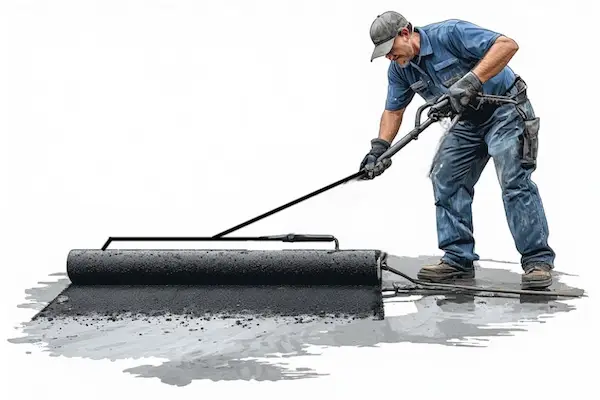
- Use proper tools: A squeegee with a roller following provides the best coverage and appearance.
- Work in sections: Maintain a wet edge to avoid lap marks and ensure uniform coverage.
Aftercare
- Keep traffic off: Allow 24-48 hours before foot traffic, 48-72 hours before vehicle traffic.
- Protect from water: Ensure no rain or irrigation hits the surface during drying.
- Inspect results: Check for thin spots or missed areas that may need touch-up.
Conclusion
Understanding how long after new asphalt before sealing and how often to reseal driveway thereafter is essential for protecting your investment and maximizing the lifespan of your asphalt. The key takeaways are:
- First sealing: Wait 6-12 months after new asphalt installation before applying any sealer. This allows the asphalt to properly cure, oils to evaporate, and the surface to prepare for optimal sealer adhesion. Use the water test to confirm readiness.
- Regular maintenance: After the first seal, plan to reseal every 2-3 years for most residential driveways under normal conditions. Adjust based on climate, traffic, and visible wear.
- Regional factors: In harsh climates like Quebec and Ontario, with severe winters and freeze-thaw cycles, you may need to seal every 1-2 years. In milder regions, every 3-4 years may suffice.
- Signs of need: Watch for faded color, visible aggregate, water absorption, and small cracks as indicators that it's time to reseal, regardless of calendar schedule.
- Quality matters: Using high-quality sealers and proper application techniques extends the interval between sealings and provides better protection.
- Cost savings: Regular sealing at recommended intervals saves thousands of dollars over the life of your driveway by preventing premature deterioration and replacement.
Remember that your asphalt driveway is a significant investment that, with proper care including timely sealing, can provide 20-30 years of reliable service. The small effort and expense of regular sealing—following the correct schedule for how long after new asphalt before sealing first, then maintaining with appropriate frequency—pays enormous dividends in longevity, appearance, and protection.
Whether you choose to seal your driveway yourself or hire professionals, following these guidelines ensures you get the maximum benefit from your sealing efforts and the longest possible life from your asphalt.
If you're looking for the best paving service provider in Laval, Montreal, or the entire Quebec region, look no further than Pavage Laval Asphalte Laval. Our team of experts is dedicated to meeting all your paving needs, providing high-quality and reliable services. Whether you're located in Laval, near Montreal, or elsewhere in Quebec, we're here to assist you with all your paving projects.
Don't hesitate to contact us today. You can reach us by phone at +1 (438) 476 6508, email us at pavage-asphalte-laval-montreal@outlook.com, or visit our website at pavage-asphalte-laval-montreal.ca for more information.
For those in need of paving and asphalt services near Gatineau, Quebec, we recommend contacting Pavage Gatineau Asphalte Gatineau Earnanswers. Our team of experts is ready to answer all your questions and provide quality solutions. To learn more or to request a quote, visit our website at pavagegatineau.com.
Approved sites
Further reading
- How Long Driveway Sealer Takes to Dry?
- How Long Driveway Sealer Last?
- How to Seal a Driveway
- Top Five Signs It's Time to Replace Your Asphalt Shingle Roof
- Parking Lot Striping: How Long It Takes to Dry and How Long It Lasts
- How Long does Gutter Sealant take to Dry ?
- How Long does Asphalt driveway Last ?
- How Long does Cement Sealer take to Dry ?
- How Long does Concrete Sealant Last ?
- How Long does Concrete Sealer take to Dry ?
- How long After new Asphalt before Sealing ?
Other services
Gutter Repair Tips Pavage Gatineau Earnanswers +1 (438) 476 6508
How long After new Asphalt before Sealing ?
We offer paving services in Laval, Quebec, specializing in asphalt for residential and commercial projects. info@asphaltesolution.com


Copyright © 2024
Propulsé par : Earnanswers
Contactez-nous
Pavaging Laval Asphalt Laval Earnanswers
If you're looking for quality paving near you, our team of Laval paving experts guarantees long-lasting results. We also serve the Montreal region and surrounding areas. Contact us for a quick quote on your asphalt needs in Laval and nearby locations.