If you're tackling gutter repairs, one of the most critical questions you'll face is how long does gutter sealant take to dry before it can withstand rain, debris, and the natural expansion and contraction of your gutters. Whether you're fixing a leaky seam, resealing end caps, or installing new gutter sections, understanding drying and curing times is essential for a successful, long-lasting repair. This comprehensive guide answers all your questions about how long does gutter sealant take to dry for different product types, under various weather conditions, and before exposing your gutters to water.
Why Knowing Gutter Sealant Drying Time Matters
Understanding how long does gutter sealant take to dry isn't just about patience—it directly affects the quality and durability of your repair. Applying sealant and exposing it to water too soon can lead to:
- Washout: Rain or water testing can wash away uncured sealant before it bonds properly.
- Poor adhesion: The sealant won't stick effectively to gutter surfaces if disturbed during drying.
- Leaks: Incomplete curing leaves gaps where water can penetrate, defeating the purpose of your repair.
- Wasted time and materials: Failed repairs mean starting over, costing you more time and money.
- Water damage: Leaky gutters can cause foundation issues, basement flooding, and landscape erosion.
By knowing how long does gutter sealant take to dry for your specific product, you can plan your project effectively, avoid common mistakes, and ensure your gutters function properly for years to come.
Drying vs. Curing: What's the Difference?
Before diving into specific timelines, it's important to understand the distinction between drying and curing when asking how long does gutter sealant take to dry.
- Drying time: The period when solvents or water evaporate from the sealant, leaving it firm to the touch. The surface may feel dry, but the sealant remains soft underneath.
- Cure time: The longer period during which the sealant fully cross-links and develops its maximum adhesion, flexibility, and waterproofing properties. A sealant can be dry to touch but still vulnerable to water exposure.
Most manufacturers provide both skin-over time (when the surface dries) and full cure time (when the sealant reaches maximum performance). When asking how long does gutter sealant take to dry, you typically want the skin-over time for rain readiness, but full cure time for permanent exposure.
Types of Gutter Sealant and Their Drying Times
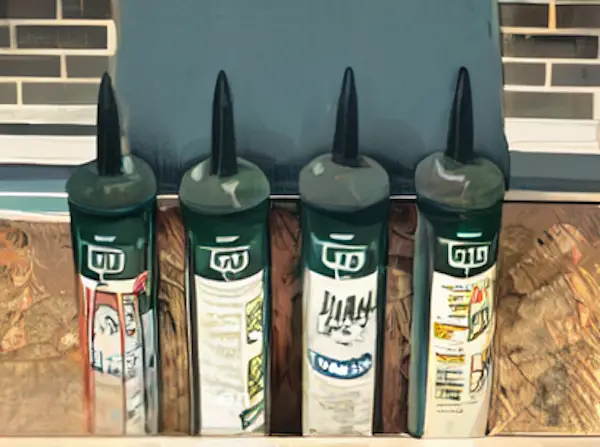
The answer to how long does gutter sealant take to dry varies significantly based on the type of sealant you choose. Here are the most common options:
Silicone Gutter Sealant
Silicone is one of the most popular choices for gutter repairs due to its exceptional flexibility and weather resistance.
- Skin-over time: 30-60 minutes
- Dry to touch: 1-3 hours
- Rain-ready: 12-24 hours
- Full cure: 24-48 hours
Silicone remains flexible after curing, making it ideal for gutters that expand and contract with temperature changes. When asking how long does gutter sealant take to dry for silicone, plan for at least 24 hours before heavy rain exposure.
Polyurethane Gutter Sealant
Polyurethane sealants offer excellent adhesion and durability, making them suitable for metal gutters and high-stress areas.
- Skin-over time: 1-2 hours
- Dry to touch: 4-8 hours
- Rain-ready: 24 hours
- Full cure: 3-7 days
Polyurethane forms a tough, slightly rigid bond. It takes longer to cure than silicone but provides exceptional strength. Consider how long does gutter sealant take to dry with polyurethane if you need maximum durability for commercial applications or areas with heavy water flow.
Butyl Rubber Sealant
Butyl sealants are often supplied in tape form or as a mastic, commonly used for gutter seams and flashing.
- Skin-over time: 24 hours (varies widely)
- Dry to touch: 24-48 hours
- Rain-ready: 48-72 hours
- Full cure: 7-14 days
Butyl remains flexible and sticky for an extended period, which helps it maintain a seal but means how long does gutter sealant take to dry is longer than other options. It's excellent for irregular surfaces but requires patience.
Acrylic Latex Sealant
Water-based acrylic sealants are less common for gutters but can be used for interior applications or temporary repairs.
- Skin-over time: 20-30 minutes
- Dry to touch: 1-2 hours
- Rain-ready: 24 hours
- Full cure: 3-5 days
Acrylics clean up with water and are easy to apply, but they're less durable than silicone or polyurethane for exterior gutter use. When considering how long does gutter sealant take to dry for acrylic, remember they're not ideal for standing water exposure.
How Long Does Gutter Sealant Take to Dry: Factors That Affect Drying Time
The answer to how long does gutter sealant take to dry isn't fixed—it depends on several environmental and application factors. Understanding these variables helps you plan your project and avoid premature water exposure.
Temperature and Weather Conditions
Temperature is perhaps the most significant factor affecting how long does gutter sealant take to dry.
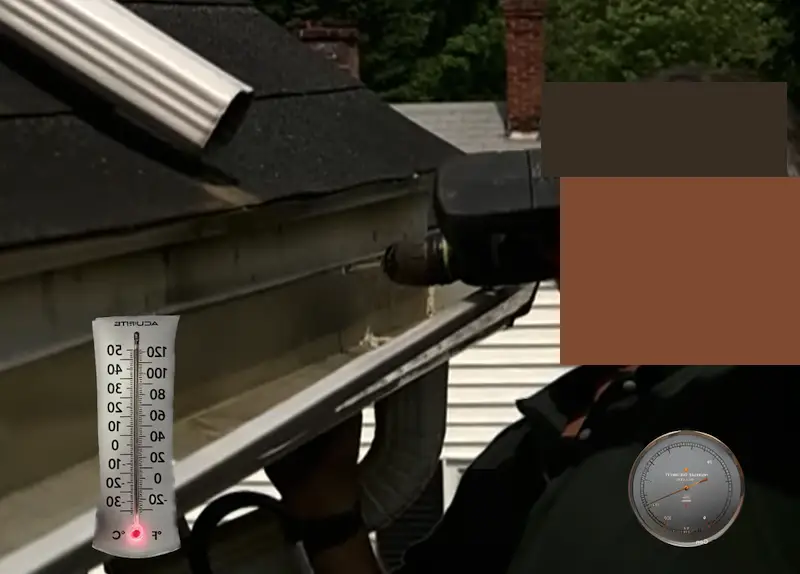
- Ideal temperature range: Most sealants perform best between 50°F and 80°F (10°C to 27°C). In this range, drying proceeds at manufacturer-rated speeds.
- Cold weather (below 40°F / 4°C): Drying slows dramatically. Chemical reactions in polyurethane and silicone nearly stop. Water-based acrylics may freeze before curing. Expect drying times to increase by 50-100% or more.
- Hot weather (above 90°F / 32°C): While heat accelerates evaporation, it can cause skinning over too quickly, trapping solvents underneath and leading to bubbles or poor adhesion. The surface may appear dry while remaining soft beneath.
- Surface temperature vs. air temperature: Gutters in direct sunlight can be much hotter than air temperature. Always check the actual gutter surface temperature before applying sealant.
Humidity and Moisture
Humidity directly impacts evaporation rates for water-based and solvent-based sealants, affecting how long does gutter sealant take to dry.
- Low humidity (below 40%): Accelerates drying but can cause rapid solvent evaporation leading to surface defects.
- Moderate humidity (40-60%): Ideal range for most sealants, allowing controlled evaporation.
- High humidity (above 70%): Slows drying significantly. Water-based acrylics are particularly affected. Moisture in the air can also condense on the surface, causing cloudiness or poor adhesion.
- Rain and dew: Any liquid water on the surface during application or early drying will ruin the sealant. Always ensure gutters are completely dry before starting and check forecasts for at least 24-48 hours of dry weather.
Joint Size and Sealant Thickness
The amount of sealant you apply directly affects how long does gutter sealant take to dry.
- Thin beads (1/8 inch / 3mm): Dry faster, typically at the manufacturer's minimum specified times.
- Thick beads (1/4 inch / 6mm or more): Take significantly longer to dry throughout. The surface may skin over while the core remains wet.
- Large gaps: For wide seams or holes, apply sealant in layers rather than one thick application. Allow each layer to dry before adding the next.
- Backer rod use: For large gaps, use foam backer rod to reduce the amount of sealant needed, which improves drying and performance.
Gutter Material
The material your gutters are made from can influence how long does gutter sealant take to dry through its effect on adhesion and heat transfer.
- Aluminum gutters: Common and conduct heat well, which can aid drying. Ensure they're clean and free of oxidation.
- Steel gutters: May require primers for some sealants. Rust spots must be treated before sealing.
- Copper gutters: Beautiful but challenging. Some sealants don't adhere well to copper. Specialized products may have different drying characteristics.
- Vinyl/PVC gutters: Less common but require sealants formulated for plastic. Drying times may differ from metal applications.
Air Movement and Ventilation
Air circulation affects evaporation rates and therefore how long does gutter sealant take to dry.
- Gentle breeze: Helps carry away solvents and speeds drying naturally.
- Still air: Slows drying, especially in protected areas or enclosed gutter sections.
- Strong winds: Can blow dust and debris onto wet sealant, causing contamination and potential failure.
- Indoor/garage projects: Use fans to circulate air but avoid pointing directly at wet sealant, which can cause rippling or uneven drying.
How Long Does Gutter Sealant Take to Dry Before Rain?
One of the most common practical questions is how long does gutter sealant take to dry before rain can safely hit your repaired gutters. Here are general guidelines by sealant type:
Minimum Rain-Ready Times
- Silicone sealant: 12-24 hours minimum. While silicone is water-resistant after skinning over, heavy rain within 12 hours can still damage the bond.
- Polyurethane sealant: 24 hours minimum. Polyurethane takes longer to develop water resistance and should be protected from rain for at least a full day.
- Butyl rubber sealant: 48-72 hours minimum. Butyl remains soft longer and is particularly vulnerable to washout.
- Acrylic latex sealant: 24 hours minimum, but not recommended for areas exposed to standing water or heavy rain.
These times assume ideal drying conditions (warm temperature, moderate humidity). In cool or humid weather, double these estimates. When in doubt about how long does gutter sealant take to dry before rain, wait an extra day—it's better than having to redo the entire repair.
Testing Rain Readiness
Before exposing your repaired gutters to rain, perform these simple tests:
- Fingernail test: Gently press a fingernail into the sealant at an inconspicuous spot. If it indents easily or feels tacky, it's not ready.
- Surface tack test: Lightly touch the surface with a clean fingertip. If any sealant transfers to your finger, it needs more time.
- Water drop test: Place a single drop of water on the sealant. If it beads up and rolls off without absorbing or clouding the sealant, it's likely ready for light moisture.
Remember that passing these tests indicates surface readiness, not full cure. The sealant may withstand light rain but still be vulnerable to heavy downpours or standing water.
How Long Does Gutter Sealant Take to Dry Before Water Testing?
Many homeowners want to test their repairs with a garden hose to ensure leaks are fixed. Knowing how long does gutter sealant take to dry before water testing is crucial.
- Silicone: 24 hours minimum before gentle water testing
- Polyurethane: 24-48 hours before water exposure
- Butyl rubber: 72 hours before water testing
- Acrylic latex: 24-48 hours, but not recommended for water testing
When water testing, start with low pressure and brief exposure. Run water for just a minute or two, then check for leaks. If no leaks appear, the sealant has likely achieved sufficient cure. If leaks persist, allow more drying time before reapplying.
How Long Does Gutter Sealant Take to Dry: Application Best Practices
To ensure your sealant dries properly and performs as expected, following correct application procedures is just as important as understanding how long does gutter sealant take to dry. Here are essential steps for successful gutter sealing.
Surface Preparation: The Foundation of Success
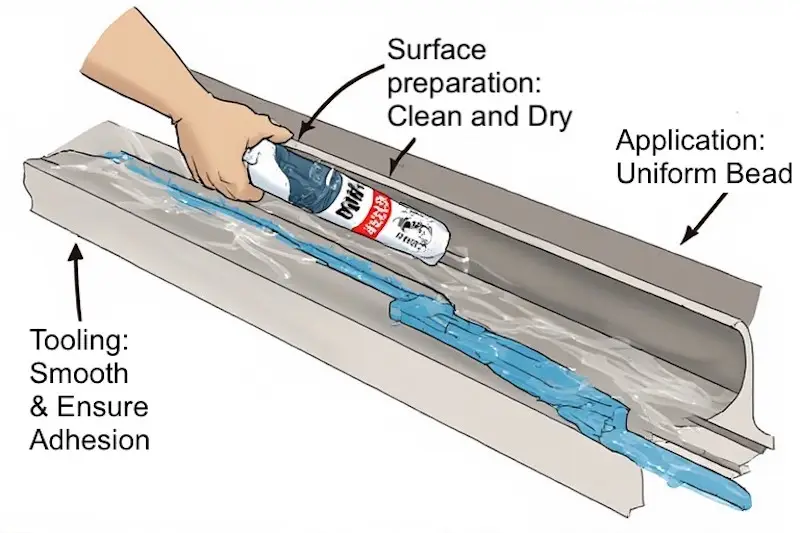
Proper surface preparation directly affects both adhesion and drying time. A clean, dry surface allows sealant to bond properly and cure at the expected rate.
- Clean thoroughly: Remove all dirt, debris, old sealant, and oxidation from the repair area. Use a wire brush, scraper, or specialized gutter cleaner.
- Degrease: If gutters have oil or residue, use a degreaser or rubbing alcohol to ensure complete cleanliness.
- Rinse and dry: After cleaning, rinse with water and allow to dry completely. Remember that how long does gutter sealant take to dry starts after application, so beginning with a dry surface is essential.
- Check for moisture: Even if the surface feels dry, check for hidden moisture in seams or behind gutter hangers.
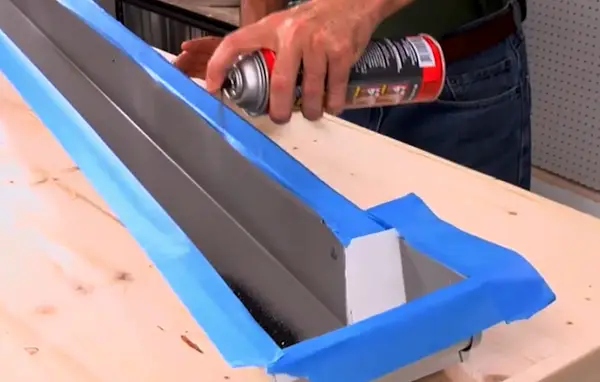
- Mask adjacent areas: Use painter's tape to protect surrounding surfaces for a clean, professional finish.
Application Techniques for Optimal Drying
How you apply the sealant influences how long does gutter sealant take to dry and how well it performs.
- Cut the nozzle at an angle: Cut the sealant tube nozzle at a 45-degree angle, sized appropriately for your gap width (typically 1/8 to 1/4 inch).
- Apply steady pressure: Use consistent pressure on the caulking gun to maintain an even bead.
- Tool the sealant: After application, use a moistened finger or a tooling tool to press the sealant into the joint and create a smooth, concave surface. This improves adhesion and appearance.
- Avoid air bubbles: Tooling helps eliminate air pockets that can weaken the seal and trap moisture, extending drying time.
- Remove excess: Clean away any sealant that spreads beyond the repair area before it dries.
How Sealant Thickness Affects Drying Time
As mentioned earlier, thickness dramatically impacts how long does gutter sealant take to dry. Here's a more detailed breakdown:
- Thin film (1/16 inch / 1.5mm): Dries in 1-4 hours depending on sealant type and conditions.
- Standard bead (1/8 inch / 3mm): Dries according to manufacturer specifications (typically 12-24 hours for rain readiness).
- Thick bead (1/4 inch / 6mm): Can take 2-4 times longer to dry completely. Surface may skin over in hours while core remains wet for days.
- Filling large gaps: For gaps wider than 1/4 inch, use foam backer rod to fill space, then apply sealant in a thinner layer. This improves both drying time and performance.
How Long Does Gutter Sealant Take to Dry in Different Seasons?
Seasonal conditions dramatically affect how long does gutter sealant take to dry. Here's what to expect throughout the year:
Spring and Fall: Ideal Conditions
Spring and fall typically offer the best conditions for gutter sealing in most regions.
- Temperatures: Moderate 50-75°F (10-24°C) allow optimal drying without extremes.
- Humidity: Often moderate, promoting steady evaporation.
- Drying time: Closest to manufacturer specifications. For most sealants, expect rain readiness in 12-24 hours.
- Challenge: Spring showers and fall rains require careful forecast monitoring. Plan for 48 hours of dry weather when asking how long does gutter sealant take to dry before rain.
Summer: Heat and UV Considerations
Summer heat presents unique challenges for gutter sealing.
- Temperatures: Often exceed 85°F (29°C), especially on dark gutters in direct sun.
- Accelerated skinning: Surface dries quickly, potentially trapping solvents underneath.
- Bubble formation: Rapid drying can cause bubbles and blisters in the sealant.
- Reduced working time: Sealant becomes unworkable faster, making tooling difficult.
- Drying time reality: While surface dries faster, full cure may actually take longer if solvents are trapped. The answer to how long does gutter sealant take to dry in summer isn't simply "faster"—quality can suffer if you don't manage conditions.
Summer tips: Apply sealant in early morning or evening when temperatures are cooler. Consider shading the work area if possible. Don't rush water exposure just because the surface feels dry.
Winter: The Challenging Season
Winter gutter sealing is generally not recommended, but sometimes emergency repairs are necessary.
- Cold temperatures: Below 40°F (4°C), most sealants cure extremely slowly or not at all.
- Moisture issues: Ice, snow, and condensation prevent proper adhesion.
- Expansion/contraction: Gutters contract in cold, potentially stressing partially cured sealant.
- Drying time: Can extend from days to weeks. The question how long does gutter sealant take to dry in winter may have no reliable answer.
Winter recommendation: If you must repair in winter, use specialized cold-weather sealants and understand they're temporary until proper conditions allow permanent repair.
Common Mistakes That Affect Drying Time
Avoid these errors that can dramatically increase how long does gutter sealant take to dry or ruin your repair entirely.
Applying Over Wet or Damp Surfaces
The most common and damaging mistake is applying sealant to gutters that aren't completely dry. Even slight moisture:
- Prevents proper adhesion
- Traps water under the sealant, causing bubbles and failure
- Extends drying time indefinitely
- Creates cloudy or discolored appearance
Always ensure gutters have been dry for at least 24-48 hours after rain before sealing. When asking how long does gutter sealant take to dry, remember that starts from application on a dry surface—not from when rain stopped.
Ignoring Manufacturer Instructions
Each product has specific requirements for temperature range, application thickness, and drying time. Ignoring these leads to problems:
- Applying outside recommended temperature range extends drying dramatically
- Applying too thickly multiplies drying time
- Skipping recommended primers affects adhesion and cure
Always read and follow the manufacturer's guidance on how long does gutter sealant take to dry for your specific product.
Rushing the Second Application
For repairs requiring multiple layers, allowing adequate drying between coats is essential:
- Too soon: Applying second coat over uncured first coat mixes the layers, extending overall drying time and potentially weakening the bond.
- Just right: Follow manufacturer's recoat window, typically when the first coat is dry to touch but not fully cured.
- Too late: If you wait too long (days for some sealants), chemical bonding may not occur, requiring mechanical preparation before additional layers.
Testing Too Early
Impatience is the enemy of good gutter repairs. Testing with water too soon:
- Washes out uncured sealant
- Creates pinholes and weak spots
- Delays project further because you'll need to redo the repair
When in doubt about how long does gutter sealant take to dry before testing, wait another 24 hours. The extra patience saves time in the long run.
How Long Does Gutter Sealant Take to Dry: Troubleshooting Common Issues
Even with careful planning, you might encounter problems with your gutter sealant. Here's how to troubleshoot common issues related to how long does gutter sealant take to dry and overall performance.
Sealant Not Drying: Causes and Solutions
If your sealant remains tacky or wet long after the expected drying time, several factors could be at play:
- Too thick application: If you applied a thick bead, the surface may have skinned over while the core remains wet. Solution: Allow more time—thick applications can take days to fully cure. For future repairs, apply thinner layers or use backer rod.
- Cold temperatures: Sealant cures very slowly below 50°F (10°C). Solution: If possible, gently warm the area with a heat gun or wait for warmer weather. Never use open flames.
- High humidity: Excessive moisture in the air slows evaporation. Solution: Increase ventilation and wait for drier conditions.
- Wrong product choice: Some sealants aren't suitable for outdoor gutter use. Solution: Check if your product is rated for exterior applications and gutters specifically.
- Contaminated surface: Oil, grease, or old sealant residue can prevent curing. Solution: Remove the sealant, thoroughly clean the surface, and reapply.
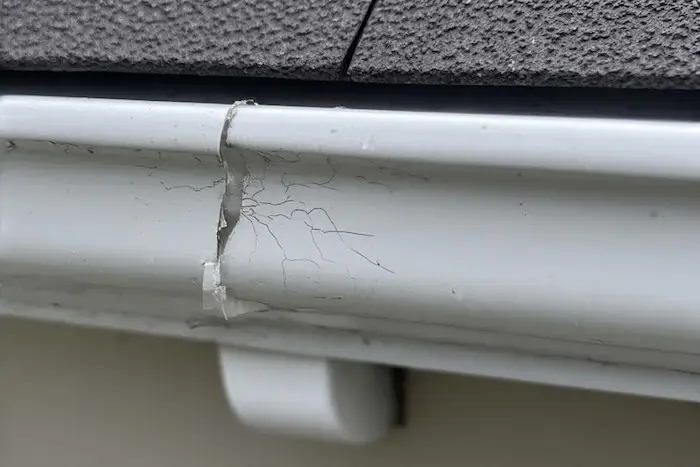
Sealant Cracking After Drying
If your sealant cracks after appearing to dry, the problem relates to flexibility or application:
- Insufficient flexibility: Some sealants become brittle with age or aren't designed for gutter expansion. Solution: Use a flexible sealant like silicone or polyurethane for gutters.
- Too thin application: Very thin films can crack under stress. Solution: Ensure proper bead thickness (1/8 inch minimum).
- Movement beyond capacity: Gutters expand and contract significantly. Solution: Choose sealant rated for dynamic joints with at least 25% movement capability.
Poor Adhesion Despite Proper Drying
When sealant peels away from gutter surfaces even after following how long does gutter sealant take to dry guidelines:
- Inadequate cleaning: Surface must be perfectly clean. Solution: Remove sealant, clean with wire brush and solvent, dry thoroughly, and reapply.
- Wrong sealant for material: Some sealants don't adhere well to certain metals or plastics. Solution: Verify compatibility with your gutter material.
- Moisture during application: Even invisible moisture can prevent adhesion. Solution: Ensure gutters have been dry for 48 hours before reapplying.
How Long Does Gutter Sealant Take to Dry: Professional vs. DIY Considerations
When planning your gutter repair, consider whether DIY or professional service makes sense for your situation. This decision affects both how long does gutter sealant take to dry and overall project success.
DIY Gutter Sealing
For minor repairs and handy homeowners, DIY sealing can be effective and economical.
- Time investment: You control the schedule but must account for your own learning curve and physical limitations.
- Drying considerations: You must personally monitor weather and ensure adequate drying time before rain.
- Best for: Small leaks, minor seam repairs, single-story homes, and homeowners comfortable on ladders.
- Limitations: Quality depends on your technique, and mistakes can lead to recurring leaks.
Professional Gutter Services
For extensive repairs, multi-story homes, or peace of mind, professional help may be worthwhile.
- Time savings: Professionals work efficiently and handle all aspects of the repair.
- Expertise: They know which sealants work best for your specific gutters and climate.
- Warranty: Many professionals guarantee their work, protecting your investment.
- Best for: Extensive repairs, hard-to-reach areas, and homeowners who prefer not to work at heights.
Whether DIY or professional, understanding how long does gutter sealant take to dry remains essential for successful repairs.
Conclusion
Understanding how long does gutter sealant take to dry is essential for successful gutter repairs that protect your home from water damage. The answer varies significantly based on sealant type—silicone (12-24 hours rain-ready), polyurethane (24 hours), butyl rubber (48-72 hours), and acrylic latex (24 hours)—and is influenced by temperature, humidity, application thickness, and gutter material.
Remember these key takeaways for your next gutter sealing project:
- Preparation is everything: Clean, dry surfaces are non-negotiable for proper adhesion and drying.
- Check the forecast: Ensure at least 24-48 hours of dry weather after application.
- Apply correctly: Use appropriate bead thickness, tool the sealant, and avoid air bubbles.
- Respect drying time: Surface dryness isn't the same as full cure. Wait manufacturer-recommended times before water exposure.
- Consider seasons: Spring and fall offer ideal conditions; summer heat and winter cold create challenges.
- Test before trusting: Perform simple touch tests and gentle water tests before exposing repairs to heavy rain.
By following these guidelines and understanding the factors that affect how long does gutter sealant take to dry, you'll achieve durable, leak-free gutter repairs that protect your home's foundation, prevent basement flooding, and maintain proper drainage for years to come.
If you're looking for the best paving service provider in Laval, Montreal, or the entire Quebec region, look no further than Pavage Laval Asphalte Laval. Our team of experts is dedicated to meeting all your paving needs, providing high-quality and reliable services. Whether you're located in Laval, near Montreal, or elsewhere in Quebec, we're here to assist you with all your paving projects.
Don't hesitate to contact us today. You can reach us by phone at +1 (438) 476 6508, email us at pavage-asphalte-laval-montreal@outlook.com, or visit our website at pavage-asphalte-laval-montreal.ca for more information.
For those in need of paving and asphalt services near Gatineau, Quebec, we recommend contacting Pavage Gatineau Asphalte Gatineau Earnanswers. Our team of experts is ready to answer all your questions and provide quality solutions. To learn more or to request a quote, visit our website at pavagegatineau.com.
Approved sites
Further reading
- How Long Driveway Sealer Takes to Dry?
- How Long Driveway Sealer Last?
- How to Seal a Driveway
- Top Five Signs It's Time to Replace Your Asphalt Shingle Roof
- Parking Lot Striping: How Long It Takes to Dry and How Long It Lasts
- How Long does Gutter Sealant take to Dry ?
- How Long does Asphalt driveway Last ?
- How Long does Cement Sealer take to Dry ?
- How Long does Concrete Sealant Last ?
- How Long does Concrete Sealer take to Dry ?
- How long After new Asphalt before Sealing ?
Other services
Gutter Repair Tips Pavage Gatineau Earnanswers +1 (438) 476 6508
How Long does Gutter Sealant take to Dry ?
We offer paving services in Laval, Quebec, specializing in asphalt for residential and commercial projects. info@asphaltesolution.com


Copyright © 2024
Propulsé par : Earnanswers

Contactez-nous
Pavaging Laval Asphalt Laval Earnanswers
If you're looking for quality paving near you, our team of Laval paving experts guarantees long-lasting results. We also serve the Montreal region and surrounding areas. Contact us for a quick quote on your asphalt needs in Laval and nearby locations.